


Hey there! I'm a supplier of Skid Steer Track Loaders, and today I want to dig into how weight distribution can have a huge impact on the performance of these bad - boys. I've seen firsthand how getting the weight right can make or break a job on the worksite.
Understanding Skid Steer Track Loaders
First off, let's quickly go over what a Skid Steer Track Loader is. It's a compact, versatile machine that's used in a ton of different industries, from construction to landscaping. The tracks on these loaders give them better traction compared to wheeled loaders, especially on uneven or soft ground.
The Basics of Weight Distribution
Weight distribution in a Skid Steer Track Loader refers to how the total weight of the machine, including the operator, attachments, and any load it's carrying, is spread across the tracks. There are two main aspects to consider: front - to - rear and side - to - side weight distribution.
Front - to - Rear Weight Distribution
The front - to - rear weight balance is crucial. If too much weight is at the front, the loader might tip forward, especially when lifting heavy loads. This can be super dangerous and can also cause excessive wear on the front tracks. On the other hand, if the rear is too heavy, the front tracks may lose traction, making it difficult to steer and lift properly.
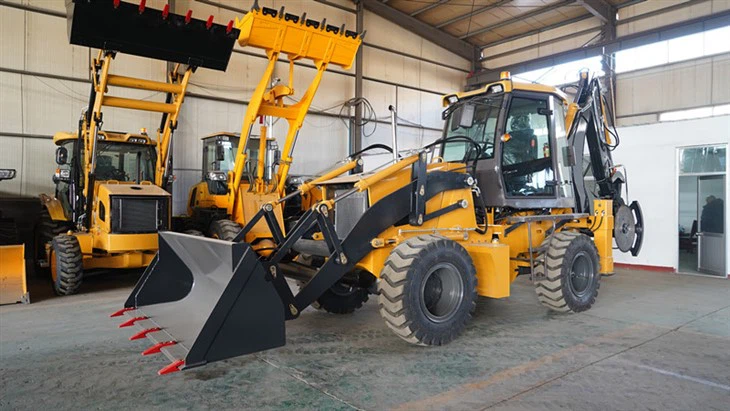
For example, when using a Front End Loader With Backhoe, the weight of the backhoe attachment can shift the center of gravity towards the rear. Operators need to be extra careful when operating the front loader in this situation to maintain a good balance.
Side - to - Side Weight Distribution
Side - to - side balance is also important. Uneven side - to - side weight can cause the loader to pull to one side, which is not only annoying but can also lead to uneven track wear. If you're carrying a load that's not centered, like a large piece of equipment on one side, it can really throw off the balance.
Impact on Traction
Traction is one of the most important performance factors of a Skid Steer Track Loader. Proper weight distribution ensures that each track has enough contact pressure with the ground. When the weight is evenly distributed, the tracks can grip the surface better, whether it's dirt, gravel, or mud.
If the weight is unevenly distributed, some parts of the tracks may not have enough pressure on the ground, reducing traction. This can lead to slipping and sliding, which slows down the machine and makes it harder to operate. For instance, in a muddy construction site, a loader with poor weight distribution might get stuck easily, while one with proper balance can move through the muck more smoothly.
Effect on Maneuverability
Maneuverability is another area where weight distribution plays a big role. A well - balanced Skid Steer Track Loader is much easier to turn and navigate. When the weight is evenly spread, the loader can make sharp turns without losing stability.
However, if the weight is off - center, turning becomes a real challenge. The loader may resist turning in one direction or may over - turn in the other. This can be a major headache, especially in tight spaces like a small construction site or a crowded warehouse.
Influence on Lifting Capacity
The lifting capacity of a Skid Steer Track Loader is directly affected by weight distribution. When the weight is properly balanced, the loader can lift heavier loads safely. The machine's hydraulic system is designed to work within certain weight limits, and a good weight distribution helps to stay within those limits.
If the weight is unevenly distributed, the effective lifting capacity can be reduced. For example, if too much weight is at the front, the loader may not be able to lift as much as it's rated for because it's already close to tipping forward. This means you might have to make multiple trips to move the same amount of material, which is a waste of time and resources.
Impact on Track Wear
Weight distribution also has a significant impact on track wear. Uneven weight can cause some parts of the tracks to wear out faster than others. For example, if the front is heavier, the front tracks will bear more of the load and will wear down more quickly.
This not only shortens the lifespan of the tracks but also affects the performance of the loader. Worn - out tracks can reduce traction and maneuverability, and they may also require more frequent replacement, which can be costly.
Tips for Optimizing Weight Distribution
As a supplier, I often give my customers some tips on how to optimize weight distribution. First, always make sure to center the load as much as possible. If you're using an attachment, make sure it's properly installed and balanced.
Second, be aware of the weight of the operator. A heavier operator can shift the center of gravity, so it's important to adjust the load accordingly. Also, when changing attachments, re - evaluate the weight distribution and make any necessary adjustments.
The Role of Technology
Modern Skid Steer Track Loaders are often equipped with advanced technology to help with weight distribution. Some loaders have sensors that can detect the weight distribution and alert the operator if it's off - balance. There are also load - management systems that can adjust the hydraulic pressure based on the weight and distribution.
For example, the Efficient Long Lasting Electric Loader may come with such technology, which can make it easier for operators to maintain a proper weight balance and improve overall performance.
Case Studies
Let's look at a couple of case studies to see how weight distribution can impact performance. In one construction project, a contractor was using a Skid Steer Track Loader to move large concrete blocks. At first, they didn't pay much attention to weight distribution, and the loader kept slipping and had difficulty lifting the blocks.
After adjusting the weight by centering the blocks and making sure the attachment was properly balanced, the loader's performance improved significantly. It was able to move the blocks more efficiently, and the tracks showed less wear.

In another case, a landscaping company was using a Mini Crawler Hydraulic Loader to move soil and plants. By optimizing the weight distribution, they were able to cover more ground in less time and reduce the number of breakdowns due to track wear.
Conclusion
In conclusion, weight distribution is a critical factor in the performance of a Skid Steer Track Loader. It affects traction, maneuverability, lifting capacity, and track wear. As a supplier, I always emphasize the importance of proper weight distribution to my customers.
If you're in the market for a Skid Steer Track Loader or need advice on optimizing weight distribution for your existing machine, don't hesitate to reach out. We're here to help you get the most out of your equipment and ensure a successful job on the worksite.
References
- "Skid Steer Loader Operation and Maintenance Manuals"
- Industry research on construction equipment performance
- Case studies from various construction and landscaping projects


