


Maintaining a skid steer track loader is crucial for ensuring its optimal performance, longevity, and safety. As a skid steer track loader supplier, I understand the significance of proper maintenance and its direct impact on the machine's efficiency and the bottom line of our customers. In this blog, I will share some essential tips on how to maintain a skid steer track loader effectively.
Pre - operation Checks
Before starting the skid steer track loader, a thorough pre - operation check is necessary. First, visually inspect the tracks. Look for any signs of wear, such as cracks, cuts, or missing lugs. Worn tracks can lead to reduced traction, increased fuel consumption, and even pose a safety risk. Check the track tension as well. Incorrect track tension can cause premature wear on the tracks and other components. Most manufacturers recommend a specific tension range, which can be measured using a tension gauge.
Inspect the undercarriage components, including the rollers, idlers, and sprockets. These parts are subject to high levels of stress and friction during operation. Look for any signs of damage, excessive wear, or loose bolts. Damaged undercarriage components can cause the tracks to misalign, leading to uneven wear and potential track derailment.
Check the fluid levels, such as engine oil, hydraulic fluid, coolant, and fuel. Low fluid levels can cause the engine and hydraulic system to overheat, leading to component failure. Ensure that the fluid levels are within the recommended range and that there are no signs of leaks. Inspect the filters, including the air filter, fuel filter, and hydraulic filter. Clogged filters can restrict the flow of air, fuel, or hydraulic fluid, reducing the machine's performance and efficiency. Replace the filters as recommended by the manufacturer.
Regular Cleaning
Regular cleaning is an important part of skid steer track loader maintenance. After each use, clean the machine to remove dirt, debris, mud, and other contaminants. Use a high - pressure washer or a hose to clean the tracks, undercarriage, and the body of the loader. Pay special attention to the areas around the rollers, idlers, and sprockets, as these areas tend to accumulate dirt and debris.
Cleaning the machine not only helps to prevent corrosion but also allows for better inspection of the components. Dirt and debris can hide signs of wear and damage, making it difficult to detect potential problems. By keeping the machine clean, you can identify and address issues before they become major problems.

Lubrication
Proper lubrication is essential for the smooth operation of the skid steer track loader. Lubricate all the moving parts, such as the pivot points, pins, and bushings, according to the manufacturer's recommendations. Use the recommended lubricant type and follow the specified lubrication intervals.
Lubrication reduces friction and wear between the moving parts, extending their lifespan. It also helps to prevent corrosion and rust, especially in areas that are exposed to moisture. Make sure to lubricate the tracks as well. Some track systems require periodic lubrication to maintain their flexibility and reduce wear.
Track Maintenance
The tracks are one of the most critical components of a skid steer track loader. In addition to the pre - operation checks and regular cleaning, proper track maintenance is essential. Rotate the tracks regularly to ensure even wear. This can be done by running the machine in reverse for a certain period or by using a track rotation tool.
If you notice any signs of uneven wear on the tracks, such as one side wearing faster than the other, it may be due to misaligned undercarriage components or improper operation. Adjust the undercarriage components as necessary and ensure that the operator is using the machine correctly.
When storing the skid steer track loader for an extended period, it is recommended to lift the machine off the ground to relieve the pressure on the tracks. This helps to prevent flat spots from forming on the tracks, which can affect the machine's performance when it is put back into use.
Component Replacement
Over time, some components of the skid steer track loader will wear out and need to be replaced. Keep an inventory of the commonly replaced parts, such as filters, belts, hoses, and track pads. Replace these parts as soon as they show signs of wear or damage.
When replacing components, always use genuine parts recommended by the manufacturer. Genuine parts are designed to fit the machine perfectly and meet the manufacturer's quality standards. Using non - genuine parts may void the warranty and can lead to compatibility issues and premature component failure.
Operator Training
Proper operator training is also an important aspect of skid steer track loader maintenance. A well - trained operator can operate the machine more efficiently, reducing wear and tear on the components. Train the operators on the correct operating procedures, including how to start and stop the machine, how to use the controls, and how to avoid overloading the machine.
Teach the operators to be aware of the machine's limitations and to follow the safety guidelines. Encourage them to report any unusual noises, vibrations, or performance issues immediately. By involving the operators in the maintenance process, you can identify and address potential problems early, reducing downtime and repair costs.
Importance of Maintenance Records
Maintaining detailed maintenance records is crucial for the long - term management of the skid steer track loader. Keep records of all the maintenance activities, including pre - operation checks, cleaning, lubrication, component replacements, and repairs. These records can help you to track the machine's maintenance history, identify patterns of wear and tear, and plan for future maintenance and component replacements.
Maintenance records also provide valuable information for warranty claims and when selling the machine. They demonstrate that the machine has been well - maintained, increasing its resale value.
Our Product Offerings
As a skid steer track loader supplier, we offer a wide range of high - quality loaders to meet the diverse needs of our customers. Our Efficient Long Lasting Electric Loader is an excellent choice for those looking for an environmentally friendly and cost - effective option. It offers long - lasting performance and high efficiency, reducing operating costs in the long run.
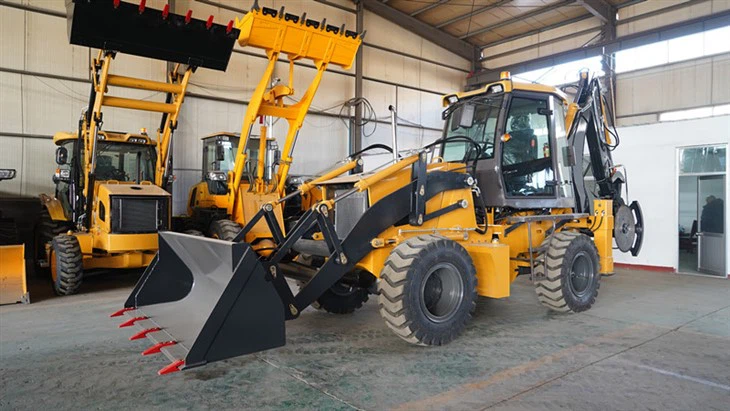
For customers who need a versatile machine, our Front End Loader With Backhoe combines the functions of a front - end loader and a backhoe, providing greater flexibility in various applications.
If you require a heavy - duty loader, our Large Forklift Loader is designed to handle large loads with ease. It is built with high - quality materials and advanced technology, ensuring reliable performance in tough working conditions.
Contact Us for Purchase and Consultation
Maintaining a skid steer track loader is a continuous process that requires attention to detail and regular maintenance. By following the tips outlined in this blog, you can ensure that your skid steer track loader operates at its best, providing reliable performance and long - term value.
If you are interested in purchasing a skid steer track loader or have any questions about maintenance or our product offerings, please feel free to contact us. Our team of experts is ready to assist you in finding the right machine for your needs and providing you with the necessary support and advice.
References
- Manufacturer's operation and maintenance manuals for skid steer track loaders.
- Industry best practices for heavy equipment maintenance.


