


Can a Skid Steer Track Loader be used on soft ground?
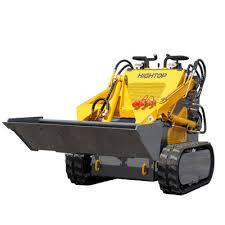
As a supplier of Skid Steer Track Loaders, I often get asked whether these machines are suitable for use on soft ground. This is a crucial question for many construction, landscaping, and agricultural professionals who frequently encounter soft or uneven terrain in their work. In this blog post, I'll explore the capabilities of Skid Steer Track Loaders on soft ground, highlighting their advantages and limitations.
Advantages of Using Skid Steer Track Loaders on Soft Ground
1. Low Ground Pressure
One of the most significant advantages of Skid Steer Track Loaders on soft ground is their ability to distribute weight evenly over a larger surface area. Unlike wheeled loaders, which can sink into soft soil due to concentrated pressure at the contact points of the wheels, track loaders spread the machine's weight across the length and width of the tracks. This results in lower ground pressure, typically around 4 - 6 psi (pounds per square inch), compared to wheeled loaders that can have ground pressures of 10 - 15 psi or more. The lower ground pressure reduces the risk of the loader sinking into the soft ground, allowing it to operate more effectively without getting stuck.
2. Enhanced Traction
Tracks provide superior traction on soft and slippery surfaces compared to wheels. The tracks have a larger contact area with the ground, which increases the friction between the loader and the surface. This allows the Skid Steer Track Loader to move forward, backward, and turn more easily on soft ground, such as mud, sand, or wet grass. The enhanced traction also enables the loader to handle heavy loads without slipping, making it ideal for tasks like moving large amounts of soil, gravel, or other materials on soft terrain.
3. Maneuverability
Skid Steer Track Loaders are known for their excellent maneuverability, which is especially beneficial on soft ground. These loaders can turn within their own footprint, allowing them to navigate tight spaces and around obstacles with ease. On soft ground, where the terrain may be uneven or restricted, the ability to make sharp turns and precise movements is crucial. The skid - steer design of these loaders, combined with the traction provided by the tracks, enables operators to work efficiently in areas where larger, less maneuverable equipment would struggle.

Applications on Soft Ground
1. Construction Sites
On construction sites, soft ground is a common challenge, especially during the early stages of a project when the ground may be freshly excavated or disturbed. Skid Steer Track Loaders can be used for tasks such as site preparation, moving building materials, and grading the ground. The low ground pressure and traction of the loaders allow them to operate on soft soil without causing excessive damage to the surface, ensuring that the site remains stable and ready for further construction work.
2. Landscaping
In landscaping projects, soft ground is often encountered, particularly when working with newly planted areas or in wet conditions. Skid Steer Track Loaders can be used for tasks like digging, grading, and transporting soil, mulch, and plants. The maneuverability of the loaders allows landscapers to work around trees, shrubs, and other delicate features without causing damage. The ability to operate on soft ground also means that the loader can access areas that would be difficult to reach with wheeled equipment, such as sloped or uneven terrain.
3. Agricultural Operations
In agriculture, soft ground can be a problem during the planting and harvesting seasons, especially in areas with high rainfall or heavy clay soil. Skid Steer Track Loaders can be used for tasks such as moving hay bales, spreading fertilizer, and cleaning barns. The low ground pressure of the loaders reduces soil compaction, which is important for maintaining soil health and productivity. The traction provided by the tracks allows the loader to operate effectively in muddy or wet conditions, ensuring that agricultural tasks can be completed efficiently.
Limitations and Considerations
1. Speed
Skid Steer Track Loaders generally have a lower top speed compared to wheeled loaders. This is because the tracks have more resistance when moving, which limits the loader's maximum speed. On soft ground, the speed may be further reduced due to the increased traction requirements. While the lower speed is not usually a significant issue for most tasks, it can be a consideration when large areas need to be covered quickly.
2. Maintenance
Tracks require more maintenance than wheels. The tracks are subject to wear and tear, especially when operating on rough or abrasive surfaces. Regular inspection and maintenance of the tracks, including checking for proper tension, alignment, and wear, are essential to ensure the optimal performance of the Skid Steer Track Loader. Additionally, track replacement can be more expensive and time - consuming than wheel replacement.
3. Cost
Skid Steer Track Loaders are generally more expensive than wheeled loaders. The cost of the tracks themselves, as well as the additional components required to support the track system, contribute to the higher price. However, the benefits of using a track loader on soft ground, such as increased productivity and reduced downtime due to getting stuck, often outweigh the higher initial cost in the long run.
Other Loader Options for Soft Ground
If you are looking for other loader options for soft ground, we also offer a range of high - quality loaders, such as the Telescopic Arm Front End Bucket Loader, Mini Crawler Hydraulic Loader, and Integrated Backhoe Loader Machinery for Agriculture. These loaders are designed to meet the specific needs of different applications on soft ground, providing you with more choices to suit your project requirements.
Conclusion
In conclusion, Skid Steer Track Loaders are well - suited for use on soft ground due to their low ground pressure, enhanced traction, and maneuverability. These loaders offer significant advantages in construction, landscaping, and agricultural applications, allowing operators to work efficiently and effectively on soft and challenging terrain. While there are some limitations, such as speed, maintenance, and cost, the benefits of using a Skid Steer Track Loader on soft ground often outweigh these drawbacks.
If you are interested in purchasing a Skid Steer Track Loader or any of our other loader products, we encourage you to contact us for more information and to discuss your specific requirements. Our team of experts is ready to assist you in finding the right equipment for your needs and to provide you with the best possible service.
References
- "Skid - Steer Loaders: An In - Depth Guide." Construction Equipment Magazine.
- "Track vs. Wheel Loaders: Which is Right for Your Job?" Equipment World.
- "The Benefits of Using Track Loaders in Soft Ground Conditions." Agricultural Machinery Journal.


