


Hey there! As a loader supplier, I often get asked about what a loader transform in webpack is. So, I thought I'd take a few minutes to break it down for you.
First off, let's talk about webpack. If you're into web development, you've probably heard of it. Webpack is a module bundler, which means it takes all your different files like JavaScript, CSS, images, and more, and bundles them into one or a few files. This makes your website faster and more efficient to load.
Now, a loader in webpack is like a translator. It tells webpack how to handle different types of files. You see, webpack itself only understands JavaScript and JSON files out of the box. But we use all sorts of other file types in web development, like CSS, images, and even fonts. That's where loaders come in.

A loader transform is a specific job that a loader does. It takes a file, does something to it, and then spits out a transformed version that webpack can work with. For example, let's say you have a CSS file. Webpack doesn't know what to do with it on its own. So, you use a CSS loader. This loader takes your CSS file, reads it, and then transforms it into a format that webpack can understand and include in the bundle.
There are tons of different loaders out there, each with its own job. Some common ones include the style-loader and css-loader for handling CSS, the file-loader for handling images and other static files, and the babel-loader for transforming modern JavaScript code into a version that older browsers can understand.
Let's take a closer look at how a loader transform works. When webpack encounters a file that it doesn't know how to handle, it looks at the rules you've set up in your webpack configuration. These rules tell webpack which loader to use for which types of files. For example, you might have a rule that says "for all CSS files, use the style-loader and css-loader".
Once webpack knows which loader to use, it passes the file to that loader. The loader then does its thing. It might read the file, parse it, transform it, and then return the transformed version. Webpack then takes this transformed version and includes it in the bundle.
Let's talk about the benefits of using loader transforms. One of the biggest benefits is that it allows you to use modern technologies and file types in your web development. For example, you can use the latest JavaScript features with the babel-loader, even if some of your users are still using older browsers. You can also use CSS pre - processors like Sass or Less, and then use a loader to transform them into regular CSS that the browser can understand.
Another benefit is that it helps with code organization. You can keep your different types of files separate in your project structure, and then use loaders to bring them all together in the final bundle. This makes your code easier to manage and maintain.
Now, as a loader supplier, I offer a range of high - quality loaders for different needs. For example, we have the Telescopic Arm Front End Bucket Loader. This loader is great for heavy - duty tasks and can handle a large amount of material. It's designed to be efficient and reliable, so you can get your work done quickly.
We also have the Track Loader Compact. This loader is perfect for jobs where space is limited. It's compact, yet powerful, and can maneuver easily in tight spaces. Whether you're working on a small construction site or a landscaping project, this loader will get the job done.
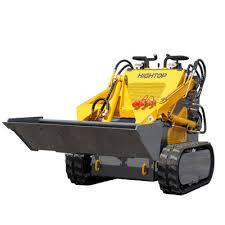
And then there's the Mini Crawler Hydraulic Loader. This loader is ideal for light - duty tasks and is very easy to operate. It's great for small - scale projects and can be a real time - saver.
If you're in the market for a loader, whether it's for your web development projects or for other tasks, I'd love to talk to you. Loader transforms in webpack are just one part of the equation when it comes to efficient web development, but having the right loader for your physical tasks is also crucial.
If you're interested in learning more about our loaders or want to discuss your specific needs, don't hesitate to reach out. We can have a chat about which loader would be the best fit for you, and we can also talk about pricing and delivery options.
In conclusion, loader transforms in webpack are an essential part of modern web development. They allow us to use a wide range of file types and technologies, and they help us create more efficient and organized projects. And as a loader supplier, I'm here to help you with all your loader needs, whether it's for webpack or for other real - world tasks. So, get in touch and let's start a conversation about how we can work together.
References:
- Webpack official documentation
- Various web development blogs and forums


