


Hey there! I'm a supplier of Skid Steer Track Loaders, and I often get asked about when it's better to choose a small skid steer track loader over a large one. It's a great question, and in this blog, I'll break down the key factors to help you make the right decision.
1. Job Site Space and Accessibility
First off, let's talk about the job site. If you're working in tight spaces, a small skid steer track loader is your best bet. These little machines are incredibly maneuverable. They can turn in their own footprint, which means you can navigate through narrow alleys, between buildings, or in small yards without any hassle.
For example, if you're doing landscaping work in a residential area with a small backyard, a large loader might not even fit through the gate. But a small skid steer can easily get in there and do the job. It can move around flower beds, dig small holes for plants, and move mulch or soil with ease.
On the other hand, large skid steer track loaders are better suited for big, open job sites. They need more room to operate, but they can cover a lot of ground quickly. If you're working on a large construction site or a big agricultural field, a large loader can handle the heavy-duty tasks and move large amounts of material in a short time.
2. Load Capacity Requirements
Another important factor is the load capacity. Large skid steer track loaders have a much higher load capacity than small ones. They can lift and carry heavier materials, such as large rocks, big pallets of bricks, or heavy equipment.
If your job involves moving large and heavy items regularly, a large loader is the way to go. For instance, in a construction project where you need to move large steel beams or concrete blocks, a large skid steer can handle the weight without breaking a sweat.
However, if your load requirements are relatively light, a small skid steer track loader will do just fine. You might be using it for tasks like moving small bags of fertilizer, light debris, or small pieces of equipment. In these cases, a small loader is more than capable and can save you money on fuel and maintenance.
3. Cost Considerations
Cost is always a big factor when making a purchasing decision. Small skid steer track loaders are generally less expensive to buy than large ones. They also have lower operating costs, including fuel consumption and maintenance.
If you're on a tight budget or just starting out in the business, a small loader can be a great option. You can get a good-quality small skid steer at a relatively low price, and you won't have to spend as much on running it.
Large skid steer track loaders, on the other hand, come with a higher price tag. They require more fuel to operate, and their maintenance costs are also higher. But if you have the budget and need the extra power and capacity, the investment might be worth it in the long run.
4. Versatility and Attachments
Both small and large skid steer track loaders are known for their versatility, thanks to the wide range of attachments available. However, small loaders can often use a wider variety of attachments in tight spaces.
For example, a small skid steer can easily use a small trencher attachment to dig narrow trenches for irrigation systems or electrical lines. It can also use a snow blower attachment to clear snow from driveways and sidewalks in the winter.
Large loaders can also use these attachments, but they might be overkill for some tasks. And in some cases, the size of the loader might make it difficult to use certain attachments in tight spaces.
If you're looking for a machine that can handle a variety of tasks with different attachments, a small skid steer track loader might be a better choice. You can check out our All Electric Skid Steer for a more eco - friendly and versatile option.
5. Transportation and Storage
Transporting and storing your skid steer track loader is also something to consider. Small skid steer track loaders are much easier to transport. You can load them onto a small trailer and tow them with a regular pickup truck.
This makes them ideal for contractors who need to move their equipment from one job site to another frequently. You don't need a large, expensive truck and trailer combination to transport a small loader.
When it comes to storage, small loaders also take up less space. You can store them in a small shed or a corner of your yard. Large loaders, on the other hand, require a large storage area, which might be a problem if you have limited space.
6. Operator Skill Level
The skill level of the operator is another factor. Small skid steer track loaders are generally easier to operate, especially for beginners. They are more responsive and require less strength to control.
If you're new to operating skid steers, a small loader can help you gain confidence and experience. You can learn the basic controls and maneuvers without having to deal with the complexity of a large, powerful machine.

Large loaders require more skill and experience to operate safely and efficiently. They have more power and can be more difficult to control, especially when handling heavy loads.
7. Industry - Specific Needs
Different industries have different needs when it comes to skid steer track loaders. In the landscaping industry, small skid steer track loaders are very popular. They can be used for tasks like grading, digging, and moving small amounts of soil and mulch. You can also use them with a Small Articulating Front End Loader attachment for more precise work.
In the construction industry, both small and large loaders are used. Small loaders are great for interior work, such as demolition and cleanup in small spaces. Large loaders are used for heavy - duty tasks like excavation and moving large amounts of building materials.
In the agricultural industry, large skid steer track loaders are often used for tasks like moving bales of hay, loading grain, and working in large fields. However, small loaders can also be useful for tasks like feeding livestock and doing small - scale farm maintenance.
Making the Right Choice
So, when should you choose a small skid steer track loader over a large one? If you're working in tight spaces, have light load requirements, are on a budget, need a versatile machine for various tasks, have transportation and storage limitations, or have operators with limited experience, a small skid steer track loader is the way to go.
On the other hand, if you're working on large, open job sites, need to handle heavy loads, have the budget for a more expensive machine, and have experienced operators, a large skid steer track loader might be a better choice.
We understand that choosing the right skid steer track loader for your needs can be a tough decision. That's why we're here to help. If you have any questions or need more information about our skid steer track loaders, don't hesitate to contact us. We can provide you with detailed specifications, pricing, and help you make the best choice for your business.
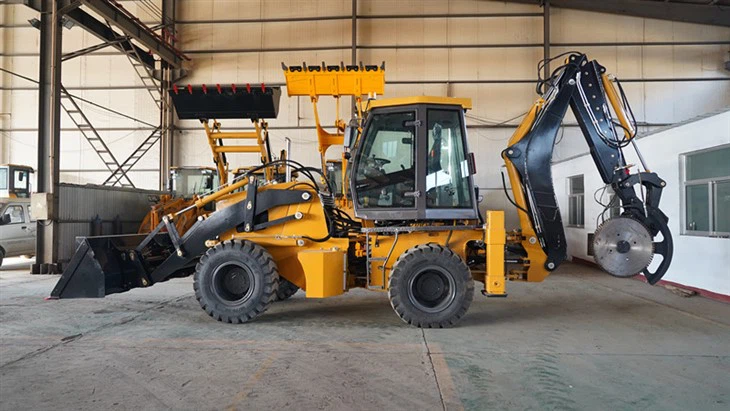
In some cases, you might even need a machine that combines the features of a skid steer and a backhoe. Our Front End Loader With Backhoe is a great option for those who need more functionality.
If you're interested in purchasing a skid steer track loader, whether it's a small or a large one, we're ready to start a conversation. Contact us today to discuss your requirements and get a quote. We're here to make sure you get the right machine for your job.
References
- Industry reports on skid steer track loader usage and market trends.
- Manufacturer's specifications and brochures for skid steer track loaders.
- Interviews with industry experts and experienced skid steer operators.


