


Hey there! I'm a supplier of Skid Steer Track Loaders, and I often get asked about the training required to operate these powerful machines. So, I thought I'd share some insights on what it takes to get behind the controls of a Skid Steer Track Loader safely and efficiently.

Understanding the Basics
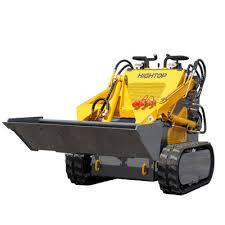
First things first, you gotta have a good grasp of what a Skid Steer Track Loader is and how it works. These bad boys are versatile pieces of equipment that can handle a wide range of tasks, from digging and lifting to grading and snow removal. They're known for their compact size, maneuverability, and ability to work in tight spaces.
The tracks on a Skid Steer Track Loader provide excellent traction and stability, allowing it to operate on various terrains, including rough, uneven, or slippery surfaces. The skid-steer design means that the machine can turn in its own footprint, making it highly agile and easy to navigate.
Operator Training Programs
Most manufacturers and industry organizations offer operator training programs for Skid Steer Track Loaders. These programs are designed to teach operators the proper techniques for operating the machine safely and efficiently. They typically cover topics such as:
- Machine familiarization: Learning the different parts of the Skid Steer Track Loader, including the controls, gauges, and safety features.
- Pre-operation checks: Performing a thorough inspection of the machine before each use to ensure it's in good working condition.
- Safe operating procedures: Understanding how to start, stop, and maneuver the machine safely, as well as how to use the various attachments.
- Maintenance and troubleshooting: Learning how to perform basic maintenance tasks, such as checking the oil and coolant levels, and how to troubleshoot common problems.
These training programs can be conducted in a classroom setting, on-site at a job site, or online. Some programs may also include hands-on training, where operators get to practice operating the machine under the supervision of an experienced instructor.
Certification
While certification isn't always required to operate a Skid Steer Track Loader, it can be a valuable asset. Many employers prefer to hire operators who are certified, as it demonstrates that they have the knowledge and skills necessary to operate the machine safely and efficiently.
There are several organizations that offer certification programs for Skid Steer Track Loader operators, such as the National Commission for the Certification of Crane Operators (NCCCO) and the Associated Equipment Distributors (AED). These programs typically require operators to pass a written exam and a practical skills test.
On-the-Job Training
In addition to formal training programs and certification, on-the-job training is also an important part of becoming a skilled Skid Steer Track Loader operator. Working alongside experienced operators can provide valuable hands-on experience and allow you to learn from their expertise.
During on-the-job training, you'll have the opportunity to practice operating the machine in real-world conditions and learn how to handle different types of tasks and challenges. You'll also learn about the specific requirements and safety procedures of the job site you're working on.
Safety First
Safety should always be your top priority when operating a Skid Steer Track Loader. These machines can be dangerous if not operated properly, so it's important to follow all safety guidelines and procedures.
Some important safety tips to keep in mind include:
- Wear appropriate safety gear: This includes a hard hat, safety glasses, ear protection, and steel-toed boots.
- Follow the manufacturer's instructions: Read the operator's manual carefully and follow all the instructions and warnings.
- Perform pre-operation checks: Before each use, check the machine for any signs of damage or wear, and make sure all the safety features are working properly.
- Use the machine only for its intended purpose: Don't try to use the Skid Steer Track Loader for tasks it's not designed for.
- Be aware of your surroundings: Keep an eye out for other workers, pedestrians, and obstacles, and always operate the machine at a safe speed.
- Never overload the machine: Make sure you don't exceed the machine's rated capacity.
Choosing the Right Attachment
One of the great things about Skid Steer Track Loaders is their versatility. They can be equipped with a wide range of attachments, such as buckets, forks, augers, and sweepers, to perform different tasks.
When choosing an attachment, it's important to consider the specific requirements of the job you're doing. Make sure the attachment is compatible with your Skid Steer Track Loader and that it's the right size and capacity for the task.
Some popular attachments for Skid Steer Track Loaders include:
- Buckets: Used for digging, loading, and moving materials such as dirt, gravel, and snow.
- Forks: Used for lifting and moving pallets, crates, and other heavy objects.
- Augers: Used for drilling holes in the ground for fence posts, footings, and other applications.
- Sweepers: Used for cleaning up debris and dirt from sidewalks, parking lots, and other surfaces.
Conclusion
Operating a Skid Steer Track Loader requires a combination of training, experience, and safety awareness. By following the tips and guidelines outlined in this blog post, you can become a skilled and confident operator.
If you're in the market for a Skid Steer Track Loader or any of its attachments, I'd love to help. We offer a wide range of Mini Crawler Hydraulic Loader, Large Forklift Loader, and Track Loader Compact models to suit your needs and budget. Contact us today to learn more and to schedule a demonstration.
References
- National Commission for the Certification of Crane Operators (NCCCO)
- Associated Equipment Distributors (AED)
- Manufacturer's operator manuals


