


Hey there! I'm a supplier of small track loaders, and I often get asked about the kind of engines these machines use. So, I thought I'd write this blog to give you all the deets.
Diesel Engines: The Old Reliable
Most small track loaders out there run on diesel engines, and there's a good reason for that. Diesel engines are known for their torque, which is super important when you're doing heavy lifting and pushing. Torque is what gives these loaders the power to move big loads and work in tough conditions.
One of the great things about diesel engines is their fuel efficiency. They can get a lot of work done on a relatively small amount of fuel compared to some other types of engines. This is a huge plus for businesses that are looking to keep their operating costs down. Diesel fuel also has a higher energy density than gasoline, which means you can store more energy in the same amount of fuel.
Another advantage of diesel engines is their durability. They're built to last, with strong components that can handle the wear and tear of regular use. This means less downtime for maintenance and repairs, which is always a good thing for any business. Diesel engines also tend to have a longer lifespan than gasoline engines, so you can get more years of service out of your small track loader.
However, diesel engines aren't without their drawbacks. They can be more expensive to buy initially than gasoline engines. And, they produce more emissions, which can be a concern in some areas. There are also stricter regulations regarding diesel emissions in many places, so you need to make sure your loader meets the required standards.
Gasoline Engines: A Lighter Option
Some small track loaders use gasoline engines. Gasoline engines are generally lighter and quieter than diesel engines. This can be an advantage if you're working in an area where noise is a concern, like a residential neighborhood or an indoor space.
Gasoline engines are also easier to start in cold weather compared to diesel engines. Diesel fuel can thicken in cold temperatures, which can make it difficult to start the engine. Gasoline, on the other hand, doesn't have this problem, so you can get your loader up and running more quickly on a cold morning.
In addition, gasoline engines are often less expensive to buy than diesel engines. This can be a big factor for small businesses or individuals on a tight budget. However, gasoline engines are not as fuel-efficient as diesel engines. They tend to use more fuel per hour of operation, which can add up over time. And, they don't have as much torque as diesel engines, so they may not be as powerful when it comes to heavy-duty tasks.
Electric Engines: The Future is Here
Electric engines are becoming more and more popular in the small track loader market. And it's easy to see why. Electric engines are extremely quiet, which is great for working in noise-sensitive areas. They also produce zero emissions, which is a huge plus for the environment and for meeting strict emissions regulations.
One of the biggest advantages of electric engines is their efficiency. They convert a higher percentage of the energy from the battery into useful work compared to diesel or gasoline engines. This means you can get more work done on a single charge. And, with advancements in battery technology, the range and power of electric small track loaders are constantly improving.
There are also fewer moving parts in an electric engine compared to a traditional combustion engine. This means less maintenance and fewer opportunities for something to go wrong. Electric engines are also very responsive, providing instant torque when you need it.
However, there are still some challenges with electric small track loaders. The biggest one is the limited battery life. Depending on the size of the battery and the type of work you're doing, you may need to recharge the loader several times a day. And, charging times can be relatively long, especially if you're using a standard household outlet.
As a supplier, I offer a range of small track loaders with different engine types to suit your needs. If you're interested in an electric option, check out our Efficient Long Lasting Electric Loader. It's a great choice for those looking for an eco-friendly and efficient machine.
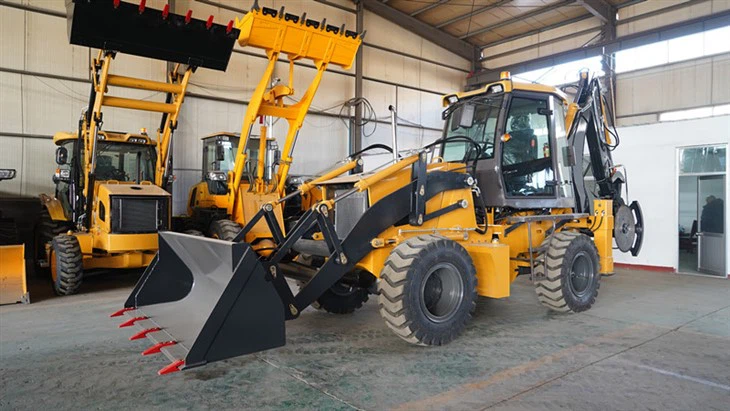
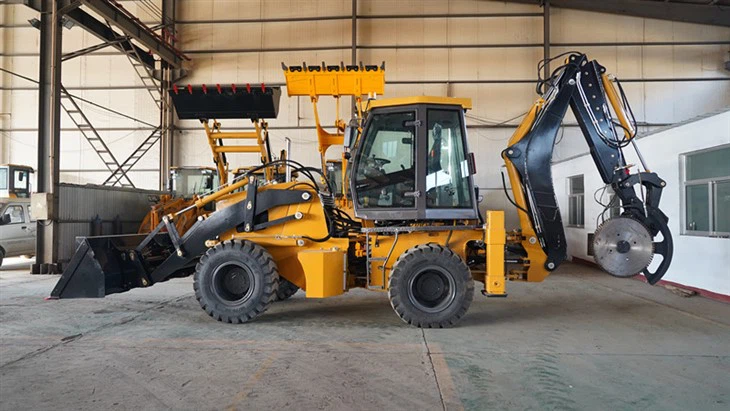
For those who need a powerful loader for forestry work, our Powerful Grapple Wheel Loader for Forest Farm with a diesel engine is a top pick. And if you're looking for a versatile loader with a backhoe, take a look at our Front End Loader With Backhoe.
So, if you're in the market for a small track loader, think about the type of work you'll be doing, your budget, and your environmental concerns. Each engine type has its own pros and cons, and the right choice for you will depend on your specific needs. If you have any questions or want to discuss your options further, don't hesitate to reach out. I'm here to help you find the perfect small track loader for your business.
References
- "Diesel vs. Gasoline Engines: Which is Right for Your Equipment?" Equipment World.
- "The Rise of Electric Construction Equipment." Construction Dive.
- "Small Track Loaders: A Buyer's Guide." Compact Equipment.


