


As a supplier of Mobile Impact Crushing Stations, I often encounter inquiries about the wear-resistant materials used in these machines. Understanding the wear-resistant materials is crucial for both the performance and longevity of the Mobile Impact Crushing Station. In this blog, I will delve into the various wear-resistant materials commonly employed in Mobile Impact Crushing Stations, their properties, and their significance in the overall operation of the equipment.
The Importance of Wear-Resistant Materials in Mobile Impact Crushing Stations
Mobile Impact Crushing Stations are designed to crush a wide range of materials, including hard rocks, ores, and construction waste. During the crushing process, the components of the crushing station are subjected to high levels of abrasion, impact, and corrosion. Without proper wear protection, these components would quickly deteriorate, leading to reduced efficiency, increased downtime, and higher maintenance costs.
Wear-resistant materials play a vital role in ensuring the durability and reliability of Mobile Impact Crushing Stations. By using high-quality wear-resistant materials, manufacturers can extend the service life of the crushing station's components, reduce the frequency of replacements, and improve the overall performance of the equipment.
Common Wear-Resistant Materials Used in Mobile Impact Crushing Stations
1. High-Chromium Cast Iron
High-chromium cast iron is one of the most widely used wear-resistant materials in Mobile Impact Crushing Stations. It is known for its excellent abrasion resistance, high hardness, and good impact toughness. High-chromium cast iron contains a high percentage of chromium, which forms hard carbide particles in the matrix, providing superior wear resistance.
The high hardness of high-chromium cast iron makes it suitable for applications where the crushing station is exposed to abrasive materials, such as granite, quartz, and basalt. It is commonly used in the manufacture of impact plates, hammers, and liners in Mobile Impact Crushing Stations.
2. Manganese Steel
Manganese steel is another popular wear-resistant material used in Mobile Impact Crushing Stations. It is characterized by its high ductility, good impact resistance, and work-hardening properties. When subjected to impact and abrasion, the surface of manganese steel hardens, forming a wear-resistant layer that protects the underlying material.
Manganese steel is often used in the manufacture of components that are subjected to high impact forces, such as rotor bars, blow bars, and aprons in Mobile Impact Crushing Stations. Its ability to work-harden under impact makes it suitable for applications where the crushing station is used to crush large-sized materials or materials with high hardness.
3. Composite Materials
Composite materials are a combination of two or more different materials, each with its own unique properties. In the context of Mobile Impact Crushing Stations, composite materials are often used to provide a balance between wear resistance, impact resistance, and cost.
One common type of composite material used in Mobile Impact Crushing Stations is a combination of high-chromium cast iron and manganese steel. This composite material combines the high abrasion resistance of high-chromium cast iron with the good impact resistance of manganese steel, providing superior performance in applications where both abrasion and impact are present.
4. Ceramic Materials
Ceramic materials are known for their high hardness, excellent wear resistance, and chemical stability. In recent years, ceramic materials have been increasingly used in Mobile Impact Crushing Stations, particularly in applications where the crushing station is used to process highly abrasive materials.
Ceramic materials are often used in the form of ceramic liners or inserts in Mobile Impact Crushing Stations. They can provide a high level of wear resistance, even in the most demanding applications. However, ceramic materials are also brittle and have relatively low impact resistance, which limits their use in applications where high impact forces are present.
Factors Affecting the Selection of Wear-Resistant Materials
The selection of wear-resistant materials for a Mobile Impact Crushing Station depends on several factors, including the type of material to be crushed, the operating conditions, and the cost.
1. Type of Material to be Crushed
The type of material to be crushed is one of the most important factors in determining the appropriate wear-resistant material. Different materials have different hardness, abrasiveness, and impact properties, which require different types of wear-resistant materials.
For example, if the crushing station is used to crush hard and abrasive materials, such as granite or quartz, high-chromium cast iron or ceramic materials may be the best choice due to their excellent abrasion resistance. On the other hand, if the crushing station is used to crush materials with high impact forces, such as large-sized rocks or ores, manganese steel or composite materials may be more suitable.
2. Operating Conditions
The operating conditions of the Mobile Impact Crushing Station also play a significant role in the selection of wear-resistant materials. Factors such as the crushing ratio, the feed size, the operating speed, and the ambient temperature can all affect the wear rate of the components.
For example, if the crushing station is operating at a high speed or with a large crushing ratio, the components will be subjected to higher levels of impact and abrasion, requiring a wear-resistant material with higher hardness and impact resistance. Similarly, if the crushing station is operating in a high-temperature environment, the wear-resistant material should have good thermal stability.
3. Cost
Cost is another important factor to consider when selecting wear-resistant materials for a Mobile Impact Crushing Station. High-quality wear-resistant materials can be expensive, and the cost of the materials can significantly impact the overall cost of the equipment.
Manufacturers need to balance the cost of the wear-resistant materials with the performance and durability of the components. In some cases, it may be possible to use a combination of different wear-resistant materials to achieve the desired performance at a lower cost.
Conclusion
In conclusion, the selection of wear-resistant materials is crucial for the performance and longevity of Mobile Impact Crushing Stations. High-chromium cast iron, manganese steel, composite materials, and ceramic materials are some of the common wear-resistant materials used in these machines. The choice of wear-resistant material depends on several factors, including the type of material to be crushed, the operating conditions, and the cost.
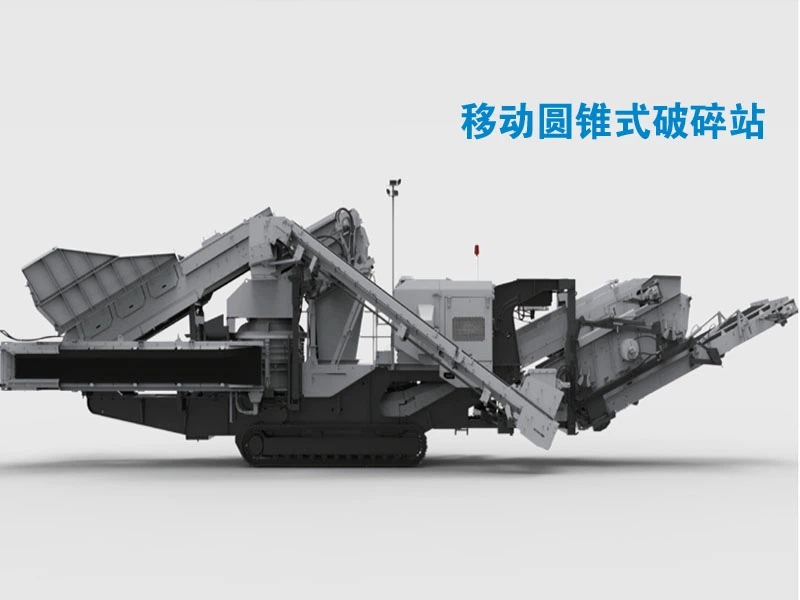

As a supplier of Mobile Impact Crushing Station, we understand the importance of using high-quality wear-resistant materials in our products. We offer a wide range of Mobile Impact Crushing Stations that are equipped with the latest wear-resistant technologies and materials to ensure optimal performance and durability.
If you are interested in learning more about our Mobile Impact Crushing Stations or have any questions about wear-resistant materials, please feel free to contact us. We would be happy to discuss your specific requirements and provide you with the best solutions for your crushing needs.
In addition to Mobile Impact Crushing Stations, we also offer Mobile Hammer Crusher Station and Mobile Cone Crushing Station. These products are also designed with high-quality wear-resistant materials to provide reliable and efficient crushing solutions.
We look forward to the opportunity to work with you and help you achieve your crushing goals.
References
- ASM Handbook, Volume 1: Properties and Selection: Irons, Steels, and High-Performance Alloys. ASM International.
- Wear-Resistant Materials for Mining and Construction Equipment. CRC Press.
- Handbook of Wear-Resistant Materials. Elsevier.


