


As a supplier of Mobile Impact Crushing Stations, I'm often asked about the intricacies of their transmission systems. In this blog post, I'll delve into what the transmission system of a Mobile Impact Crushing Station is, how it works, and why it's crucial for the overall performance of the machine.
Understanding the Basics of a Mobile Impact Crushing Station
Before we dive into the transmission system, let's briefly understand what a Mobile Impact Crushing Station is. It's a highly efficient and flexible piece of equipment designed to crush various materials on-site. These stations are widely used in industries such as mining, construction, and recycling. They can handle large - sized rocks, construction waste, and other hard materials, reducing them to smaller, more manageable sizes.
The Transmission System: An Overview
The transmission system of a Mobile Impact Crushing Station is responsible for transferring power from the engine to the various components of the machine, enabling it to perform its crushing function. It's a complex network of parts that work in harmony to ensure smooth operation.
Components of the Transmission System
- Engine: The engine is the heart of the Mobile Impact Crushing Station. It provides the initial power required to drive the entire machine. Most modern Mobile Impact Crushing Stations are equipped with diesel engines due to their high power output and fuel efficiency. The engine generates mechanical energy, which is then transferred to the transmission system.
- Clutch: The clutch is a crucial component that allows the operator to engage or disengage the power flow between the engine and the transmission. When the clutch is engaged, power from the engine is transmitted to the transmission, and when it's disengaged, the power flow is interrupted. This is useful during start - up, gear changes, and when the machine needs to be stopped without shutting down the engine.
- Gearbox: The gearbox is responsible for changing the speed and torque of the power coming from the engine. It contains a set of gears that can be shifted to different ratios. By changing the gear ratio, the operator can adjust the output speed and torque according to the requirements of the crushing operation. For example, when dealing with hard and large - sized materials, a lower gear ratio can be selected to provide more torque for effective crushing.
- Drive Shafts: Drive shafts are used to transmit power from the gearbox to the different parts of the Mobile Impact Crushing Station, such as the crusher rotor and the conveyor belts. They are usually made of high - strength steel to withstand the high torque and rotational forces. Drive shafts need to be properly balanced to prevent vibrations and ensure smooth operation.
- Differential: The differential is an important part of the transmission system, especially in mobile crushing stations with multiple drive wheels. It allows the wheels to rotate at different speeds when the machine is turning. This is essential for maintaining stability and preventing tire wear during cornering.
How the Transmission System Works
The operation of the transmission system starts with the engine. When the engine is started, it begins to generate mechanical energy. The clutch is initially disengaged, so the power from the engine is not transferred to the rest of the system. Once the engine has reached a stable operating speed, the operator engages the clutch.
As the clutch is engaged, the power from the engine is transmitted to the gearbox. The operator can then select the appropriate gear ratio based on the type of material being crushed and the desired output size. If the material is hard and requires more torque, a lower gear is selected.
The power from the gearbox is then transferred to the drive shafts, which in turn transmit the power to the crusher rotor and the conveyor belts. The crusher rotor starts to rotate at high speed, and the impact plates inside the crusher crush the incoming materials. The conveyor belts are used to feed the materials into the crusher and to transport the crushed materials away from the machine.
Importance of a Well - Functioning Transmission System
A well - functioning transmission system is crucial for the overall performance of a Mobile Impact Crushing Station. Here are some reasons why:
- Efficiency: A properly designed and maintained transmission system ensures that the power from the engine is efficiently transferred to the different components of the machine. This results in higher crushing efficiency, as the crusher can operate at its optimal speed and torque.
- Reliability: A reliable transmission system reduces the risk of breakdowns and downtime. If the transmission system fails, the entire Mobile Impact Crushing Station will stop working, leading to significant losses in productivity. Regular maintenance of the transmission system, including oil changes, gear inspections, and clutch adjustments, can help ensure its reliability.
- Safety: A safe transmission system is essential for the well - being of the operators. Malfunctioning clutches or gears can cause sudden and unexpected movements of the machine, which can pose a serious safety hazard. By ensuring that the transmission system is in good working condition, the risk of accidents can be minimized.
Comparison with Other Mobile Crushing Stations
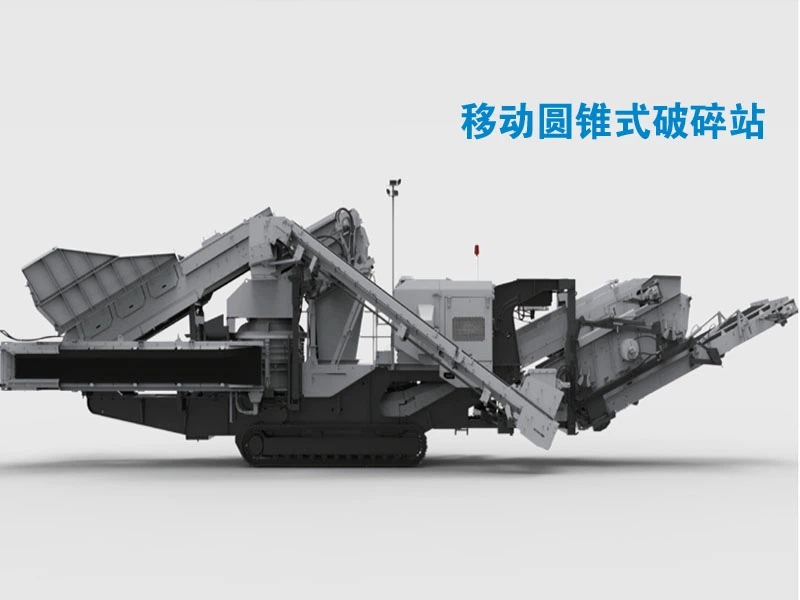
In the market, there are other types of mobile crushing stations, such as the Mobile Cone Crushing Station, Crawler Mobile Impact Crushing Plant, and Box Type Mobile Crushing Station. While they all share the common goal of crushing materials on - site, their transmission systems may have some differences.
For example, the Mobile Cone Crushing Station typically uses a different type of crusher mechanism, and its transmission system may be optimized to provide the specific power and torque requirements for cone crushing. The Crawler Mobile Impact Crushing Plant, on the other hand, is designed for mobility and may have a more rugged and durable transmission system to withstand the challenges of off - road operation. The Box Type Mobile Crushing Station may have a more compact transmission system to fit within its box - like structure.

Conclusion and Call to Action
In conclusion, the transmission system of a Mobile Impact Crushing Station is a complex and vital part of the machine. It plays a crucial role in ensuring the efficiency, reliability, and safety of the crushing operation. As a supplier, we are committed to providing high - quality Mobile Impact Crushing Stations with well - designed and reliable transmission systems.
If you're in the market for a Mobile Impact Crushing Station or have any questions about our products, we encourage you to reach out to us for a detailed discussion. Our team of experts is ready to assist you in choosing the right equipment for your specific needs and to provide you with the best possible solutions.
References
- "Mobile Crushing and Screening Equipment Handbook"
- Industry research reports on mobile crushing stations


