


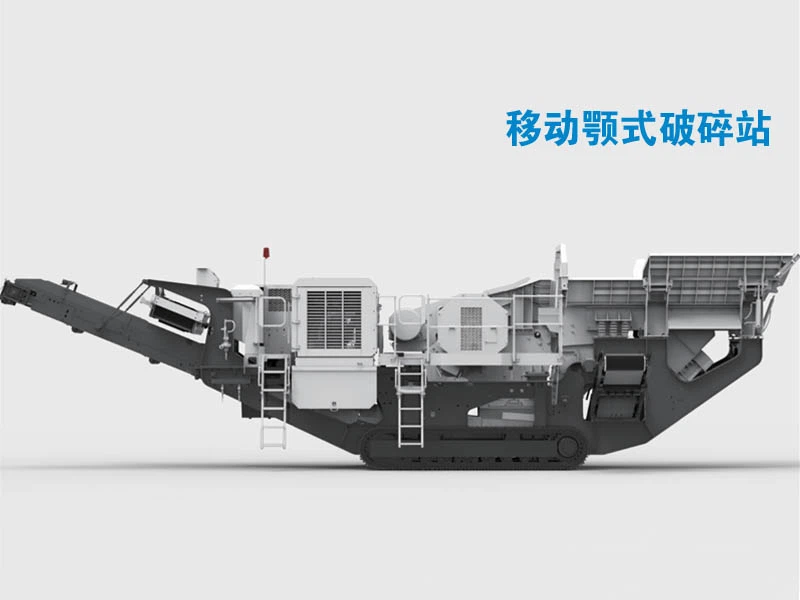
As a supplier of Mobile Jaw Crushing Stations, one of the most frequently asked questions I encounter is about the power consumption of these machines. Understanding the power consumption of a Mobile Jaw Crushing Station is crucial for customers, as it directly impacts operational costs and overall efficiency. In this blog post, I'll delve into the factors that influence the power consumption of a Mobile Jaw Crushing Station, how to calculate it, and some tips on reducing it.
Factors Influencing Power Consumption
1. Crusher Size and Capacity
The size and capacity of the jaw crusher within the mobile station are primary factors affecting power consumption. Larger crushers with higher throughput capacities generally require more power to operate. For example, a Mobile Jaw Crushing Station designed to process 500 tons per hour will consume significantly more power than one with a capacity of 50 tons per hour. This is because the larger crushers need more energy to break down larger volumes of material.
2. Material Hardness and Abrasiveness
The hardness and abrasiveness of the material being crushed also play a significant role in power consumption. Harder and more abrasive materials, such as granite or basalt, require more energy to break compared to softer materials like limestone. When the jaw crusher has to work harder to crush the material, it consumes more power. Additionally, abrasive materials can cause wear on the crusher components, which may further increase power consumption over time.
3. Crushing Ratio
The crushing ratio, which is the ratio of the input size to the output size of the material, affects power consumption. A higher crushing ratio means that the crusher has to reduce the size of the material more significantly, requiring more energy. For instance, if you need to crush large boulders into very fine particles, the crusher will consume more power compared to a situation where the required reduction in size is less.
4. Operating Conditions
The operating conditions of the Mobile Jaw Crushing Station can impact power consumption. Factors such as the feed rate, the uniformity of the feed, and the ambient temperature can all have an effect. An inconsistent feed rate can cause the crusher to work inefficiently, leading to increased power consumption. Similarly, high ambient temperatures can reduce the efficiency of the electrical components, resulting in higher power usage.
Calculating Power Consumption
Calculating the power consumption of a Mobile Jaw Crushing Station is not a straightforward task, as it depends on multiple variables. However, a general approach involves considering the motor power of the crusher and the operating time.
The motor power of the jaw crusher is usually specified by the manufacturer and is measured in kilowatts (kW). To estimate the power consumption over a certain period, you can use the following formula:
Power Consumption (kWh) = Motor Power (kW) × Operating Time (hours)
For example, if a Mobile Jaw Crushing Station has a motor power of 100 kW and operates for 8 hours a day, the daily power consumption would be 100 kW × 8 hours = 800 kWh.
It's important to note that this is a simplified calculation and does not take into account the actual load on the crusher, which can vary depending on the factors mentioned above. In real-world scenarios, the power consumption may be higher or lower than the estimated value.
Reducing Power Consumption
As a supplier, I understand the importance of helping customers reduce their power consumption. Here are some tips on how to achieve this:
1. Optimize the Feed
Ensure a consistent and uniform feed rate to the Mobile Jaw Crushing Station. Using a vibrating feeder can help achieve this. A steady feed allows the crusher to operate more efficiently, reducing power consumption. Additionally, pre-screening the material to remove fine particles can also improve the efficiency of the crushing process and lower power usage.
2. Choose the Right Crusher
Select a Mobile Jaw Crushing Station with the appropriate size and capacity for your specific application. Using an oversized crusher can lead to unnecessary power consumption, while an undersized crusher may not be able to handle the workload efficiently, also increasing power usage. Consider the material hardness, crushing ratio, and throughput requirements when choosing a crusher.
3. Maintain the Crusher Regularly
Regular maintenance of the Mobile Jaw Crushing Station is essential for optimal performance and reduced power consumption. Keep the crusher components clean and lubricated, and replace worn parts promptly. Worn-out parts can cause the crusher to work harder, increasing power consumption.

4. Use Energy-Efficient Components
Look for Mobile Jaw Crushing Stations that are equipped with energy-efficient motors and other electrical components. These components can help reduce power consumption without sacrificing performance.
Comparison with Other Mobile Crushing Stations
In addition to the Mobile Jaw Crushing Station, there are other types of mobile crushing stations available, such as the Box Type Mobile Crushing Station and the Mobile Impact Crushing Station. Each type of crushing station has its own power consumption characteristics.
The Mobile Impact Crushing Station, for example, typically consumes more power than the Mobile Jaw Crushing Station when processing hard materials. This is because the impact crusher uses high-speed rotating hammers to break the material, which requires more energy. On the other hand, the Box Type Mobile Crushing Station may have different power consumption depending on its design and configuration.
Conclusion
The power consumption of a Mobile Jaw Crushing Station is influenced by various factors, including crusher size, material hardness, crushing ratio, and operating conditions. By understanding these factors and taking appropriate measures to optimize the operation of the crusher, customers can reduce power consumption and lower their operational costs.
If you're in the market for a Mobile Jaw Crushing Station or have any questions about power consumption or other aspects of these machines, I encourage you to contact us for more information. Our team of experts can help you choose the right crusher for your needs and provide guidance on how to operate it efficiently.
References
- "Crushing Equipment Handbook" - A comprehensive guide on crushing equipment and their performance characteristics.
- Manufacturer's specifications for Mobile Jaw Crushing Stations, which provide detailed information on power requirements.
- Industry research papers on energy efficiency in mining and crushing operations.


