


In recent years, the construction and industrial sectors have witnessed a significant shift towards more sustainable and efficient equipment. Among these, electric wheel loaders have emerged as a revolutionary product, reshaping the market landscape. As a leading supplier of electric wheel loaders, I have had the privilege of closely observing and participating in this evolving market. In this blog, I will delve into the current market trends for electric wheel loaders, exploring the driving forces behind their growing popularity, the challenges they face, and the future prospects.
The Rise of Electric Wheel Loaders
The global push for environmental sustainability has been a primary catalyst for the increasing demand for electric wheel loaders. With stricter emissions regulations being implemented worldwide, traditional diesel - powered loaders are facing limitations. Electric wheel loaders, on the other hand, produce zero tailpipe emissions, making them an ideal choice for environmentally conscious projects. For instance, in urban construction sites where air quality is a major concern, electric wheel loaders can operate without contributing to pollution, thus complying with local environmental standards.
Another key factor driving the market growth is the lower operating cost of electric wheel loaders. Electricity is generally cheaper than diesel fuel, resulting in significant savings over the long - term. Additionally, electric motors have fewer moving parts compared to diesel engines, which means reduced maintenance requirements and lower maintenance costs. This cost - effectiveness makes electric wheel loaders an attractive option for both large - scale construction companies and small - to - medium - sized enterprises looking to optimize their operational budgets.
Technological Advancements
One of the most remarkable aspects of the electric wheel loader market is the rapid pace of technological advancements. Battery technology, in particular, has seen significant improvements. Lithium - ion batteries, which are commonly used in electric wheel loaders, now offer higher energy density, longer life cycles, and faster charging times. This has addressed one of the major concerns of potential buyers – the limited operating range and long charging times.
Moreover, the integration of smart technologies in electric wheel loaders has enhanced their performance and efficiency. These loaders are now equipped with advanced sensors and control systems that can monitor and optimize various parameters such as battery usage, power consumption, and hydraulic performance. For example, some electric wheel loaders can automatically adjust their power output based on the load they are carrying, ensuring maximum efficiency at all times.
Market Segmentation
The market for electric wheel loaders can be segmented based on various factors such as size, application, and end - user. In terms of size, there are small, medium, and large electric wheel loaders. Small electric wheel loaders are often used in confined spaces such as indoor construction sites or small - scale landscaping projects. They offer high maneuverability and are relatively easy to operate. You can explore more about small - sized loaders by visiting our Small Track Loader page.
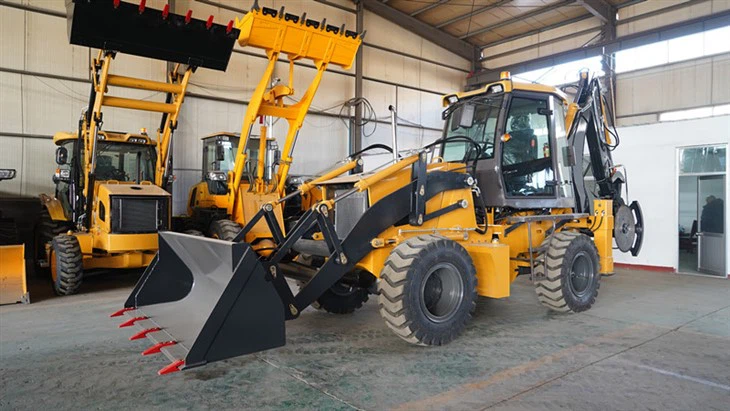
Medium - sized electric wheel loaders are suitable for a wide range of applications, including general construction, material handling in warehouses, and agricultural work. They strike a balance between power and maneuverability. For those interested in loaders with multiple functions, our Front End Loader With Backhoe provides a great option.
Large electric wheel loaders are typically used in heavy - duty applications such as mining and large - scale construction projects. They offer high lifting capacity and are designed to handle large volumes of materials. Our Large Forklift Loader is a prime example of a high - performance large - sized electric loader.
Challenges in the Market
Despite the numerous advantages and growing popularity, the electric wheel loader market also faces several challenges. One of the main challenges is the high initial cost. Electric wheel loaders are generally more expensive to purchase than their diesel counterparts. This can be a significant barrier for some companies, especially those with limited capital. However, it is important to note that the long - term savings in operating and maintenance costs can offset the higher upfront investment.
Another challenge is the lack of a well - developed charging infrastructure. In some regions, there may not be enough charging stations available, which can limit the usability of electric wheel loaders, especially for projects in remote areas. To address this issue, governments and industry players need to collaborate to invest in the development of a comprehensive charging network.
Regional Market Trends
The market for electric wheel loaders varies across different regions. In Europe, for example, the demand for electric construction equipment is particularly high due to the region's strong environmental policies and high awareness of sustainability. Many European countries have set ambitious targets for reducing carbon emissions, which has led to increased adoption of electric wheel loaders in the construction and industrial sectors.
In Asia, countries like China are leading the way in the production and adoption of electric wheel loaders. China has a large construction market and a strong focus on technological innovation. The government has also provided significant support for the development of the electric vehicle and equipment industry, which has contributed to the growth of the electric wheel loader market.
In North America, the market for electric wheel loaders is also growing steadily. The increasing demand for sustainable construction practices and the need to comply with emissions regulations are driving factors. However, the market growth in North America may be somewhat slower compared to Europe and Asia due to the relatively high penetration of traditional diesel - powered equipment.
Future Prospects
The future of the electric wheel loader market looks promising. As battery technology continues to improve, the performance and cost - effectiveness of electric wheel loaders will further enhance. We can expect to see even longer operating ranges, faster charging times, and lower costs in the coming years.

The integration of artificial intelligence and autonomous technology is also likely to play a significant role in the future of electric wheel loaders. Autonomous electric wheel loaders can improve safety, efficiency, and productivity on construction sites. They can operate continuously without the need for human intervention, reducing the risk of accidents and increasing the overall output.
Conclusion
In conclusion, the market for electric wheel loaders is on an upward trajectory. The combination of environmental benefits, lower operating costs, and technological advancements is driving the increasing adoption of these machines. While there are challenges to overcome, such as high initial costs and charging infrastructure limitations, the long - term prospects are bright.
As a supplier of electric wheel loaders, we are committed to providing high - quality products that meet the evolving needs of our customers. If you are interested in learning more about our electric wheel loaders or are considering a purchase, we invite you to contact us for a detailed discussion. Our team of experts will be happy to assist you in finding the right loader for your specific requirements. Let's work together to embrace the future of sustainable construction and industrial equipment.
References
- International Energy Agency. (2023). Global EV Outlook.
- Construction Equipment Association. (2023). Market Trends in Construction Equipment.
- Battery Council International. (2023). Advancements in Battery Technology for Industrial Applications.


