


In the dynamic world of construction, landscaping, and various industrial sectors, the choice between a Track Loader Compact and a wheel loader is a decision that can significantly impact operational efficiency, productivity, and overall project success. As a dedicated supplier of Track Loader Compact equipment, I've witnessed firsthand the unique capabilities and advantages that each type of loader brings to the table. In this blog post, I'll delve into the key differences between these two powerful machines, helping you make an informed decision for your specific needs.
Mobility and Terrain Adaptability
One of the most significant differences between a Track Loader Compact and a wheel loader lies in their mobility and ability to navigate different terrains. A wheel loader, as the name suggests, is equipped with large wheels that provide excellent maneuverability on hard, flat surfaces such as paved roads, construction sites, and industrial yards. The wheels allow for quick and easy movement, making wheel loaders ideal for tasks that require frequent travel between different locations or for loading and unloading materials at a fast pace.
On the other hand, a Track Loader Compact features a set of tracks instead of wheels. These tracks distribute the machine's weight over a larger surface area, providing superior traction and stability on soft, uneven, or slippery terrains. Whether you're working on muddy construction sites, sandy beaches, or snow-covered landscapes, a Track Loader Compact can easily navigate through challenging conditions without getting stuck. This makes it the preferred choice for applications in industries such as forestry, agriculture, and landscaping, where the terrain can be unpredictable and difficult to traverse.
Digging and Loading Capabilities
Another important factor to consider when comparing a Track Loader Compact and a wheel loader is their digging and loading capabilities. Wheel loaders are typically designed for heavy-duty loading and material handling tasks. They are equipped with a large bucket at the front of the machine, which can be used to scoop up and transport large volumes of materials such as gravel, sand, dirt, and debris. The powerful hydraulic system of a wheel loader allows for quick and efficient bucket operation, enabling operators to load and unload materials in a short amount of time.
In contrast, a Track Loader Compact is more versatile when it comes to digging and loading tasks. The tracks provide better stability and control, allowing the machine to dig deeper and more precisely than a wheel loader. Additionally, Track Loader Compacts can be equipped with a variety of attachments, such as forks, grapples, and augers, which further enhance their functionality and make them suitable for a wider range of applications. For example, you can use a Track Loader Compact with a fork attachment to lift and transport pallets of materials, or a grapple attachment to handle logs and other large objects.
Maneuverability and Turning Radius
Maneuverability is another crucial aspect to consider when choosing between a Track Loader Compact and a wheel loader. Wheel loaders are generally more maneuverable than Track Loader Compacts on hard, flat surfaces. They have a smaller turning radius, which allows them to make tight turns and navigate through narrow spaces with ease. This makes them ideal for applications in confined areas, such as warehouses, factories, and urban construction sites.
However, on soft or uneven terrains, the maneuverability of a wheel loader can be limited. The large wheels can sink into the ground, making it difficult to turn and control the machine. In contrast, a Track Loader Compact has a better turning radius on soft terrains due to its tracks. The tracks provide better traction and stability, allowing the machine to turn more easily without getting stuck. This makes a Track Loader Compact a better choice for applications in areas where the terrain is soft or uneven, such as forestry and agriculture.

Operator Comfort and Visibility
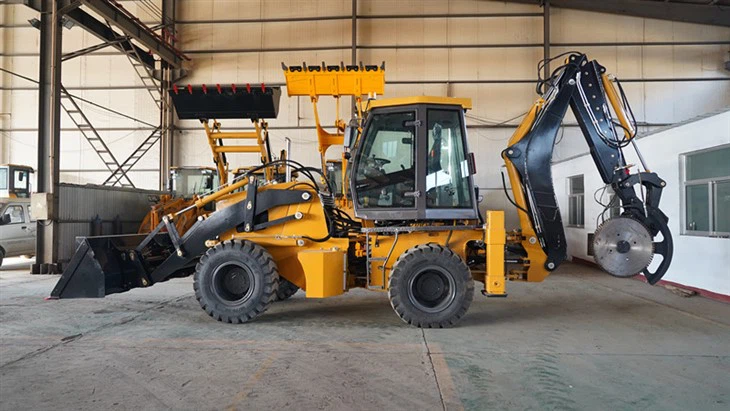
Operator comfort and visibility are also important considerations when choosing between a Track Loader Compact and a wheel loader. Wheel loaders typically have a larger cab than Track Loader Compacts, which provides more space and comfort for the operator. The cab is usually equipped with air conditioning, heating, and other amenities to ensure a comfortable working environment. Additionally, wheel loaders have a better forward visibility due to the position of the operator's seat and the design of the cab.
However, Track Loader Compacts also offer a comfortable and ergonomic working environment. The cab is designed to provide excellent visibility in all directions, allowing the operator to have a clear view of the work area. The controls are also easy to reach and operate, reducing operator fatigue and increasing productivity. Additionally, Track Loader Compacts are generally quieter than wheel loaders, which can be an advantage in noise-sensitive environments.
Cost and Maintenance
Cost and maintenance are two important factors that can influence your decision when choosing between a Track Loader Compact and a wheel loader. Wheel loaders are generally more expensive to purchase than Track Loader Compacts. This is because they are larger, more powerful, and have more advanced features. However, wheel loaders also have a lower operating cost per hour due to their higher fuel efficiency and longer service life.
On the other hand, Track Loader Compacts are more affordable to purchase than wheel loaders. They are also more fuel-efficient and require less maintenance than wheel loaders. However, the tracks on a Track Loader Compact need to be replaced more frequently than the wheels on a wheel loader, which can increase the overall maintenance cost.
Applications and Use Cases
The choice between a Track Loader Compact and a wheel loader ultimately depends on the specific applications and use cases. Here are some common scenarios where each type of loader excels:
-
Wheel Loader Applications:
- Construction Sites: Wheel loaders are commonly used on construction sites for loading and unloading materials, moving earth, and transporting heavy equipment.
- Mining Operations: In mining operations, wheel loaders are used to load and transport large quantities of ore, coal, and other materials.
- Warehousing and Logistics: Wheel loaders are ideal for use in warehouses and logistics centers for loading and unloading trucks, moving pallets, and stacking materials.
-
Track Loader Compact Applications:
- Forestry: Track Loader Compacts are widely used in the forestry industry for tasks such as logging, brush clearing, and site preparation. The tracks provide excellent traction and stability on rough and uneven terrains, allowing the machine to operate in challenging conditions.
- Agriculture: In agriculture, Track Loader Compacts are used for a variety of tasks, including loading and unloading hay bales, moving livestock feed, and tilling soil. The versatility of the machine and its ability to use different attachments make it a valuable asset on the farm.
- Landscaping: Track Loader Compacts are popular in the landscaping industry for tasks such as grading, digging, and planting. The tracks allow the machine to move easily across lawns and gardens without causing damage to the turf.
Conclusion
In conclusion, both a Track Loader Compact and a wheel loader have their own unique advantages and disadvantages. The choice between the two depends on a variety of factors, including the type of terrain, the specific application, and the budget. If you're working on hard, flat surfaces and need a machine for heavy-duty loading and material handling tasks, a wheel loader may be the best choice for you. On the other hand, if you're working on soft, uneven, or slippery terrains and need a versatile machine for digging, loading, and other tasks, a Track Loader Compact may be the better option.
As a supplier of Track Loader Compact equipment, I'm committed to providing our customers with high-quality products and exceptional customer service. If you're interested in learning more about our Track Loader Compacts or have any questions about the differences between a Track Loader Compact and a wheel loader, please don't hesitate to contact us. We'll be happy to assist you in making the right decision for your business.
References
- Construction Equipment Guide. (n.d.). Wheel Loaders vs. Track Loaders: Which is Right for Your Job? Retrieved from [Website URL]
- Equipment World. (n.d.). Track Loaders vs. Wheel Loaders: What's the Difference? Retrieved from [Website URL]
- Machinery Trader. (n.d.). Track Loaders vs. Wheel Loaders: Pros and Cons. Retrieved from [Website URL]
Links
If you're considering purchasing a loader for your business, I encourage you to reach out and discuss your specific requirements with us. We can provide you with detailed information about our Track Loader Compact models, pricing, and financing options. Our team of experts is here to help you make an informed decision and ensure that you get the best equipment for your needs. Contact us today to start the conversation!


