


As a supplier of Mobile Impact Crushing Stations, I am often asked about the capacity range of these remarkable machines. Understanding the capacity range is crucial for customers as it directly impacts the efficiency and productivity of their operations. In this blog post, I will delve into the factors that influence the capacity of a Mobile Impact Crushing Station and provide a detailed overview of the typical capacity ranges available in the market.
Factors Influencing Capacity
The capacity of a Mobile Impact Crushing Station is determined by several key factors, each of which plays a significant role in the overall performance of the machine. These factors include:
1. Feed Size
The size of the material being fed into the crusher is a critical factor in determining its capacity. Larger feed sizes generally require more power and time to crush, which can reduce the overall throughput of the machine. Mobile Impact Crushing Stations are designed to handle a wide range of feed sizes, but the optimal capacity is typically achieved when the feed material is within a certain range.

2. Material Hardness
The hardness of the material being crushed also has a significant impact on the capacity of the Mobile Impact Crushing Station. Harder materials, such as granite and basalt, require more energy to break down, which can result in lower throughput compared to softer materials like limestone and sandstone. The crusher's design and the type of impact plates used can also affect its ability to handle different material hardness levels.
3. Rotor Speed
The speed of the rotor in the impact crusher is another important factor that influences capacity. A higher rotor speed generally results in more efficient crushing and higher throughput, but it also requires more power and can increase wear on the crusher components. The optimal rotor speed depends on the specific application and the characteristics of the material being crushed.
4. Closed-Side Setting (CSS)
The closed-side setting of the crusher refers to the minimum distance between the crushing chamber and the impact plates. A smaller CSS results in a finer product size but can also reduce the capacity of the crusher. Conversely, a larger CSS allows for a higher throughput but may produce a coarser product. The CSS can be adjusted to optimize the balance between product size and capacity.
5. Screen Efficiency
In many applications, a screen is used in conjunction with the Mobile Impact Crushing Station to separate the crushed material into different sizes. The efficiency of the screen can have a significant impact on the overall capacity of the system. A well-designed screen with a high screening efficiency can ensure that the crusher is not overloaded with material that is already the desired size, allowing it to operate at maximum capacity.
Typical Capacity Ranges
The capacity range of a Mobile Impact Crushing Station can vary widely depending on the factors mentioned above. However, in general, these machines are available in a range of capacities to suit different applications and production requirements. Here are some typical capacity ranges for Mobile Impact Crushing Stations:
Small-Scale Applications
For small-scale applications, such as construction sites and recycling operations, Mobile Impact Crushing Stations with a capacity of 20 to 100 tons per hour (t/h) are commonly used. These machines are typically compact and easy to transport, making them ideal for jobsites with limited space. They are also suitable for processing smaller volumes of material and can be used for a variety of applications, including crushing concrete, asphalt, and bricks.
Medium-Scale Applications
In medium-scale applications, such as aggregate production and mining operations, Mobile Impact Crushing Stations with a capacity of 100 to 300 t/h are often employed. These machines offer a higher throughput compared to small-scale models and are capable of handling larger volumes of material. They are typically equipped with more powerful engines and larger crushers to ensure efficient crushing and high productivity.
Large-Scale Applications
For large-scale applications, such as major mining projects and large aggregate quarries, Mobile Impact Crushing Stations with a capacity of 300 t/h or more are required. These machines are designed to handle high volumes of material and are often part of a larger crushing and screening system. They are typically equipped with advanced features and technologies to optimize performance and ensure reliable operation.
Choosing the Right Capacity
When selecting a Mobile Impact Crushing Station, it is important to choose the right capacity for your specific application. Here are some tips to help you make the right decision:
1. Assess Your Production Requirements
The first step is to assess your production requirements. Consider the volume of material you need to process per hour, the desired product size, and the type of material you will be crushing. This will help you determine the minimum capacity required for your operation.
2. Consider Future Expansion
If you anticipate future growth or changes in your production requirements, it may be wise to choose a Mobile Impact Crushing Station with a slightly higher capacity than your current needs. This will allow you to expand your operations without having to invest in a new machine.
3. Evaluate the Cost-Effectiveness
While a higher-capacity Mobile Impact Crushing Station may offer greater productivity, it also comes with a higher price tag. It is important to evaluate the cost-effectiveness of different models and choose the one that offers the best balance between capacity, performance, and cost.
4. Consult with an Expert
If you are unsure about which capacity is right for your application, it is recommended to consult with an expert in the field. A knowledgeable supplier or engineer can help you assess your needs and recommend the most suitable Mobile Impact Crushing Station for your project.
Related Products
In addition to Mobile Impact Crushing Stations, we also offer a range of other mobile crushing and screening equipment to meet the diverse needs of our customers. Some of our related products include:
- Mobile Jaw Crushing Station: Ideal for primary crushing applications, the Mobile Jaw Crushing Station offers high efficiency and reliability.
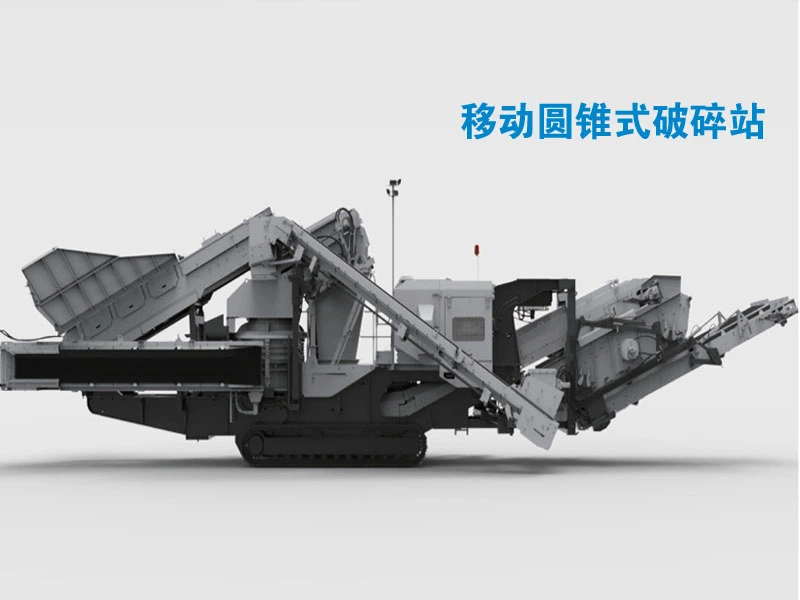
- Mobile Cone Crushing Station: Designed for secondary and tertiary crushing, the Mobile Cone Crushing Station provides a high-quality end product with a consistent particle size.
- Crawler Mobile Impact Crushing Plant: This versatile plant combines the advantages of a mobile impact crusher with a crawler chassis, making it suitable for a wide range of applications.
Contact Us for Purchase and Negotiation
If you are interested in learning more about our Mobile Impact Crushing Stations or any of our other products, please feel free to contact us. Our team of experts is ready to assist you in selecting the right equipment for your specific needs and to provide you with detailed information on pricing, delivery, and after-sales service. We look forward to the opportunity to work with you and to help you achieve your production goals.
References
- "Crushing Technology Handbook," published by the International Mining and Resources Institute.
- "Mobile Crushing and Screening Equipment: A Guide to Selection and Operation," by John Doe.


