


When it comes to the world of construction and landscaping, mini crawler hydraulic loaders have emerged as indispensable tools. As a dedicated supplier of Mini Crawler Hydraulic Loader, I've witnessed firsthand the diverse performance characteristics of different models. In this blog, I'll delve into the performance differences between various mini crawler hydraulic loaders, helping you make an informed decision for your projects.
1. Power and Engine Performance
One of the primary differentiators among mini crawler hydraulic loaders is their power source and engine performance. Most models are equipped with either diesel engines or electric motors.
Diesel-powered mini crawler hydraulic loaders are known for their high torque and excellent power output. They can handle heavy-duty tasks with ease, making them ideal for large construction sites or projects that require continuous operation. The combustion process in diesel engines provides a significant amount of power, allowing these loaders to lift and move substantial loads. For example, a diesel-powered loader can easily lift large rocks, heavy building materials, or dense soil. However, diesel engines also have some drawbacks. They produce emissions, which can be a concern in environmentally sensitive areas. Additionally, they require regular maintenance, including oil changes and filter replacements, to ensure optimal performance.
On the other hand, electric mini crawler hydraulic loaders are gaining popularity due to their environmental friendliness and low operating costs. Electric motors are quieter than diesel engines, making them suitable for use in residential areas or noise-restricted zones. They also produce zero emissions, which is a significant advantage in today's environmentally conscious world. Moreover, electric loaders have fewer moving parts, which means less maintenance and lower long - term costs. For instance, an electric loader can be a great choice for indoor construction projects or small landscaping jobs. However, their power output is generally lower than that of diesel loaders, and they have limited operating time due to battery capacity. If you're interested in an electric option, you might want to check out our Battery Electric Wheel Loader for Construction Project.
2. Lifting Capacity and Reach
Another crucial performance factor is the lifting capacity and reach of the mini crawler hydraulic loader. Different models are designed to handle different load weights and reach various heights and distances.
Lifting capacity is measured in kilograms or pounds and indicates the maximum weight that the loader can safely lift. Some smaller mini crawler hydraulic loaders may have a lifting capacity of around 500 - 1000 kg, while larger models can handle loads of up to 3000 kg or more. When choosing a loader, it's essential to consider the type of materials you'll be lifting and the frequency of lifting. If you're working with heavy construction materials like concrete blocks or steel beams, you'll need a loader with a higher lifting capacity.
Reach refers to the horizontal and vertical distance that the loader's arm can extend. A loader with a greater reach can access hard - to - reach areas, such as high shelves or deep trenches. For example, in a construction site where materials need to be placed on upper floors or in a landscaping project where plants need to be installed in a deep flower bed, a loader with good reach is essential. Our Maximize Efficiency 3.5T Telescopic Tractor Loader offers an excellent combination of lifting capacity and reach, making it suitable for a wide range of applications.
3. Maneuverability
Maneuverability is a key performance aspect, especially in confined spaces. Mini crawler hydraulic loaders are designed to be compact and agile, but there are still differences in their maneuvering capabilities.
Tracked mini crawler loaders offer excellent traction and stability on various terrains, including rough, uneven, or soft ground. The tracks distribute the weight of the loader evenly, reducing the risk of sinking. They can also turn in a small radius, which is very useful in tight spaces. For example, in a small backyard landscaping project or an indoor construction site with limited space, a tracked loader can easily navigate around obstacles.
However, wheeled mini crawler loaders are more suitable for hard, flat surfaces. They can move faster than tracked loaders and are easier to transport between job sites. Wheeled loaders also have a lower ground pressure, which can be an advantage when working on delicate surfaces. When choosing between a tracked and a wheeled loader, consider the type of terrain and the space available at your job site.
4. Hydraulic System Performance
The hydraulic system is the heart of a mini crawler hydraulic loader. It controls the movement of the loader's arms, buckets, and other attachments. The performance of the hydraulic system can vary significantly between different models.
A high - quality hydraulic system provides smooth and precise control. It allows the operator to lift, lower, and tilt the loader's attachments with ease. The speed of the hydraulic system also affects the loader's productivity. A faster hydraulic system can complete tasks more quickly, increasing the overall efficiency of the project.
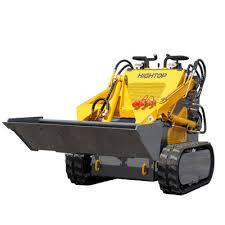

Some advanced hydraulic systems feature load - sensing technology, which adjusts the flow of hydraulic fluid based on the load being lifted. This technology not only improves efficiency but also reduces wear and tear on the system. Additionally, a well - designed hydraulic system is less likely to experience leaks or failures, ensuring reliable operation over time.
5. Comfort and Operator Experience
The comfort of the operator can also impact the performance of the mini crawler hydraulic loader. A comfortable operator is more likely to be productive and make fewer mistakes.
Modern mini crawler hydraulic loaders are equipped with features to enhance operator comfort. These include adjustable seats, ergonomic controls, and good visibility. An adjustable seat allows the operator to find a comfortable position, reducing fatigue during long working hours. Ergonomic controls are designed to be easy to reach and operate, minimizing the strain on the operator's hands and arms. Good visibility is essential for safe and efficient operation. A loader with large windows and a well - positioned cab provides the operator with a clear view of the work area.
In conclusion, when choosing a mini crawler hydraulic loader, it's crucial to consider these performance differences. Each model has its own strengths and weaknesses, and the right choice depends on your specific project requirements. Whether you need a powerful diesel loader for heavy - duty tasks, an electric loader for environmental reasons, or a loader with excellent maneuverability for confined spaces, we have a wide range of options to meet your needs.
If you're interested in learning more about our mini crawler hydraulic loaders or have any questions about which model is best for your project, please don't hesitate to contact us. We're here to help you make the right decision and ensure that you get the most out of your investment.
References
- Construction Equipment Handbook, various editions
- Industry reports on mini crawler hydraulic loaders
- Manufacturer specifications and brochures


