


Measuring the hydraulic fluid temperature in a Mini Crawler Hydraulic Loader is a critical aspect of ensuring the efficient and reliable operation of the equipment. As a supplier of Mini Crawler Hydraulic Loaders, I understand the importance of maintaining optimal hydraulic fluid temperatures to prevent premature wear, reduce the risk of component failure, and enhance overall performance. In this blog post, I will discuss the significance of monitoring hydraulic fluid temperature, the methods for measuring it, and the best practices for maintaining the ideal temperature range.
The Significance of Monitoring Hydraulic Fluid Temperature
Hydraulic fluid plays a crucial role in the operation of a Mini Crawler Hydraulic Loader. It transfers power from the hydraulic pump to the various components of the loader, such as the boom, bucket, and tracks. The temperature of the hydraulic fluid can significantly impact its performance and the overall efficiency of the loader.
When the hydraulic fluid temperature is too low, its viscosity increases, which can lead to poor flow and reduced power transmission. This can result in sluggish operation, increased wear on the hydraulic components, and decreased fuel efficiency. On the other hand, when the hydraulic fluid temperature is too high, its viscosity decreases, which can cause leaks, reduced lubrication, and accelerated wear on the seals and other components. High temperatures can also lead to the formation of varnish and sludge, which can clog the hydraulic system and cause further damage.

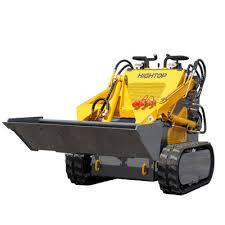
Maintaining the hydraulic fluid temperature within the recommended range is essential for ensuring the longevity and reliability of the Mini Crawler Hydraulic Loader. By monitoring the temperature regularly, operators can detect potential problems early and take corrective action before they cause significant damage.
Methods for Measuring Hydraulic Fluid Temperature
There are several methods for measuring the hydraulic fluid temperature in a Mini Crawler Hydraulic Loader. The most common methods include using a thermometer, a temperature sensor, or a thermal imaging camera.
Thermometer
A thermometer is a simple and inexpensive tool for measuring the hydraulic fluid temperature. It can be inserted into the hydraulic reservoir or a sample of the fluid can be taken and measured using a thermometer. However, this method has some limitations. It only provides a single point measurement, and it can be difficult to get an accurate reading if the fluid is not well-mixed. Additionally, taking a sample of the fluid can be time-consuming and may not be practical in some situations.
Temperature Sensor
A temperature sensor is a more accurate and reliable method for measuring the hydraulic fluid temperature. It can be installed directly in the hydraulic system, such as in the hydraulic line or the reservoir. The sensor can provide continuous temperature readings, which can be monitored in real-time using a display or a data logger. Temperature sensors are available in different types, such as thermocouples and resistance temperature detectors (RTDs), and they can be calibrated to provide accurate readings over a wide range of temperatures.
Thermal Imaging Camera
A thermal imaging camera is a non-contact method for measuring the hydraulic fluid temperature. It uses infrared technology to detect the heat emitted by the hydraulic system and create a thermal image. The camera can be used to identify hot spots in the system, which can indicate potential problems such as leaks or blockages. Thermal imaging cameras are more expensive than thermometers and temperature sensors, but they can provide a more comprehensive view of the hydraulic system and can be used to detect problems that may not be visible with other methods.
Best Practices for Maintaining the Ideal Temperature Range
In addition to monitoring the hydraulic fluid temperature, there are several best practices that operators can follow to maintain the ideal temperature range in a Mini Crawler Hydraulic Loader.
Use the Right Hydraulic Fluid
Using the right hydraulic fluid is essential for maintaining the proper viscosity and lubrication properties of the fluid. The manufacturer's recommendations should be followed when selecting the hydraulic fluid, and the fluid should be changed regularly according to the maintenance schedule. Using the wrong type of fluid or failing to change the fluid regularly can lead to increased wear on the components and higher operating temperatures.
Keep the Hydraulic System Clean
Keeping the hydraulic system clean is important for preventing the formation of varnish and sludge, which can clog the system and cause overheating. The hydraulic reservoir should be kept clean, and the filters should be changed regularly. Additionally, the hydraulic lines and components should be inspected regularly for signs of leaks or damage.
Avoid Overloading the Loader
Overloading the Mini Crawler Hydraulic Loader can cause the hydraulic system to work harder than it is designed to, which can lead to increased temperatures. Operators should follow the manufacturer's load capacity guidelines and avoid overloading the loader.
Provide Adequate Cooling
Proper cooling is essential for maintaining the hydraulic fluid temperature within the recommended range. The Mini Crawler Hydraulic Loader should be equipped with a cooling system, such as a radiator or an oil cooler, and the system should be inspected regularly to ensure that it is functioning properly. Additionally, the loader should be operated in a well-ventilated area to prevent the buildup of heat.
Conclusion
Measuring the hydraulic fluid temperature in a Mini Crawler Hydraulic Loader is an important part of maintaining the equipment's performance and reliability. By using the right method for measuring the temperature and following the best practices for maintaining the ideal temperature range, operators can ensure that the loader operates efficiently and effectively.
As a supplier of Mini Crawler Hydraulic Loaders, we are committed to providing our customers with high-quality products and excellent customer service. If you are interested in learning more about our Mini Crawler Hydraulic Loaders or have any questions about measuring the hydraulic fluid temperature, please contact us. We would be happy to assist you with your purchasing needs and provide you with the information and support you need to keep your equipment running smoothly.
For more information about our other loader models, such as the Small Articulating Front End Loader and the Track Loader Compact, please visit our website. We also offer a wide range of accessories and parts for our loaders, so you can customize your equipment to meet your specific needs.
Don't hesitate to reach out to us if you have any questions or would like to discuss your requirements. We look forward to working with you and helping you find the perfect Mini Crawler Hydraulic Loader for your business.
References
- "Hydraulic System Basics," Fluid Power Journal.
- "Maintenance Guide for Mini Crawler Hydraulic Loaders," Manufacturer's Manual.
- "Temperature Measurement Techniques in Hydraulic Systems," Industrial Hydraulics Magazine.


