


Proper lubrication is crucial for the efficient and long - lasting operation of a Mobile Hammer Crusher Station. As a leading supplier of Mobile Hammer Crusher Stations, I understand the importance of this maintenance task. In this blog, I'll share some essential tips on how to lubricate the moving parts of a Mobile Hammer Crusher Station.
Understanding the Importance of Lubrication
Lubrication serves multiple vital functions in a Mobile Hammer Crusher Station. Firstly, it reduces friction between the moving parts. Friction generates heat, and excessive heat can lead to wear and tear of components, as well as potential mechanical failures. By applying a proper lubricant, the friction coefficient is significantly reduced, allowing the parts to move smoothly against each other.
Secondly, lubrication helps to prevent corrosion. The working environment of a Mobile Hammer Crusher Station can be harsh, with exposure to dust, moisture, and various chemicals. A good lubricant forms a protective film on the surface of the parts, shielding them from the corrosive elements in the environment.
Lastly, lubrication can also act as a sealant. It helps to keep out contaminants such as dirt and debris, which can cause damage to the moving parts if they enter the system.
Identifying the Moving Parts Requiring Lubrication
Before starting the lubrication process, it's essential to identify the key moving parts that need lubrication. In a Mobile Hammer Crusher Station, these typically include:
- Bearings: Bearings support the rotating shafts of the crusher. They are subject to high loads and speeds, so proper lubrication is critical to prevent premature failure.
- Gears: Gears are responsible for transmitting power within the crusher. Lubrication ensures smooth gear meshing and reduces noise and vibration.
- Joints and Linkages: These parts allow for the movement and adjustment of the crusher components. Lubricating them helps to maintain flexibility and proper alignment.
Selecting the Right Lubricant
Choosing the appropriate lubricant is a key step in the lubrication process. The type of lubricant you select will depend on several factors, including the operating conditions, the type of moving parts, and the manufacturer's recommendations.
- Viscosity: Viscosity refers to the thickness of the lubricant. In general, higher - viscosity lubricants are suitable for high - load and low - speed applications, while lower - viscosity lubricants are better for low - load and high - speed situations. For the bearings in a Mobile Hammer Crusher Station, a medium - to high - viscosity lubricant is often recommended to withstand the heavy loads.
- Additives: Many lubricants contain additives to enhance their performance. For example, anti - wear additives can reduce the wear of the moving parts, while anti - oxidant additives can prevent the lubricant from breaking down over time. When selecting a lubricant, consider the specific additives that are beneficial for the operating conditions of your crusher station.
Lubrication Process
Preparation
- Cleaning: Before applying the lubricant, clean the moving parts thoroughly. Use a suitable cleaning agent to remove any dirt, debris, or old lubricant. This ensures that the new lubricant can adhere properly to the surface of the parts.
- Inspection: While cleaning, inspect the moving parts for any signs of wear, damage, or misalignment. If any issues are detected, they should be addressed before lubrication.
Application
- Bearings: For bearings, there are several methods of lubrication. One common method is to use a grease gun to inject grease into the bearing housing. Make sure to fill the housing to the appropriate level, but avoid over - greasing, as this can cause overheating.
- Gears: Gears can be lubricated by either splash lubrication or forced - feed lubrication. In splash lubrication, the gears dip into a reservoir of lubricant as they rotate. For forced - feed lubrication, a pump is used to deliver the lubricant to the gears.
- Joints and Linkages: Apply a thin layer of lubricant to the joints and linkages. You can use a brush or a spray to ensure even coverage.
Frequency
The frequency of lubrication depends on the operating conditions of the Mobile Hammer Crusher Station. In general, bearings should be lubricated regularly, with the interval ranging from daily to monthly, depending on the load and speed. Gears and joints may require less frequent lubrication, but it's still important to follow the manufacturer's guidelines.
Maintenance and Monitoring
After lubrication, it's essential to maintain and monitor the lubrication system.
- Check the Lubricant Level: Regularly check the level of the lubricant in the reservoirs. If the level is low, add the appropriate lubricant to the recommended level.
- Inspect for Leaks: Look for any signs of lubricant leaks around the moving parts. Leaks can not only lead to a loss of lubricant but also indicate potential problems with the seals or gaskets.
- Monitor the Temperature: High temperatures can be an indication of improper lubrication or other mechanical issues. Use temperature sensors to monitor the temperature of the moving parts, especially the bearings and gears.
Conclusion
Proper lubrication of the moving parts in a Mobile Hammer Crusher Station is essential for its reliable and efficient operation. By understanding the importance of lubrication, identifying the moving parts that need lubrication, selecting the right lubricant, following the correct lubrication process, and maintaining and monitoring the lubrication system, you can extend the lifespan of your crusher station and reduce the risk of breakdowns.
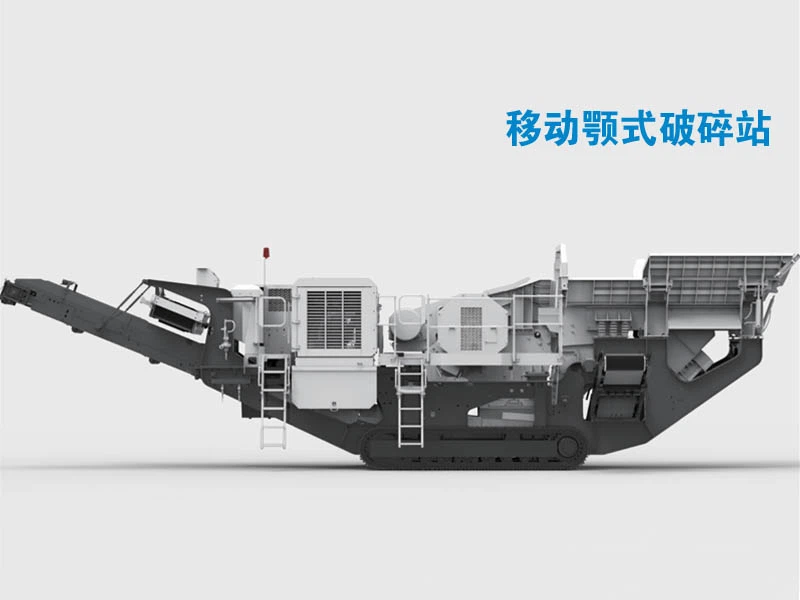

If you're in the market for a high - quality Mobile Hammer Crusher Station or need more information on its maintenance, we're here to help. We also offer other types of mobile crushing stations, such as the Mobile Jaw Crushing Station, Box Type Mobile Crushing Station, and Crawler Mobile Impact Crushing Plant. Contact us to discuss your specific requirements and start a procurement negotiation.
References
- Machinery's Handbook: A comprehensive guide to mechanical engineering, including information on lubrication and maintenance.
- Manufacturer's Manuals: The operating and maintenance manuals provided by the Mobile Hammer Crusher Station manufacturer offer specific guidelines on lubrication.
- Industry Journals: Publications in the mining and construction industries often feature articles on equipment maintenance, including lubrication best practices.


