


Hey there! As a supplier of Large Forklift Loaders, I often get asked about how to check the battery of an electric large forklift loader. It's crucial to keep the battery in top - notch condition to ensure the smooth operation of your equipment. So, let's dive right into it!
Why Battery Checks are Important
First off, why should you even bother checking the battery regularly? Well, a well - maintained battery not only extends the lifespan of your electric large forklift loader but also boosts its performance. A dying or poorly maintained battery can lead to reduced power, shorter operating times, and even cause damage to other components of the forklift.
Visual Inspection
The first step in checking the battery is a simple visual inspection. Pop open the battery compartment and take a good look. Check for any visible signs of damage such as cracks, leaks, or corrosion. Cracks can allow electrolyte to leak out, which is not only bad for the environment but can also reduce the battery's effectiveness.
Corrosion on the battery terminals is another common issue. It looks like a white or greenish powdery substance around the terminals. If you see this, it's a sign that there's a problem with the battery's electrical connections. You can use a wire brush to clean the terminals gently. But be careful not to damage the terminals while doing so.
Battery Voltage Check
One of the most important aspects of battery health is its voltage. You'll need a voltmeter for this. Make sure the forklift is turned off before you start. Connect the positive lead of the voltmeter to the positive terminal of the battery and the negative lead to the negative terminal.
A fully charged battery should have a specific voltage, which can vary depending on the type of battery. For most lead - acid batteries used in electric large forklift loaders, a fully charged battery should read around 2.1 volts per cell. If you have a 6 - cell battery, the total voltage should be around 12.6 volts. If the voltage is significantly lower, it might be time to recharge the battery or there could be an underlying issue.

Electrolyte Level Check (for Lead - Acid Batteries)
If your electric large forklift loader uses lead - acid batteries, checking the electrolyte level is essential. The electrolyte is a mixture of water and sulfuric acid, and it plays a crucial role in the battery's operation.
Open the caps on the battery cells carefully. You should see the electrolyte covering the lead plates inside the cells. The level should be between the minimum and maximum marks on the battery. If the level is low, you can add distilled water to bring it up to the proper level. But don't overfill it, as this can cause the electrolyte to spill out during charging.
Battery Temperature
The temperature of the battery can also give you an idea of its health. Overheating can be a sign of a problem, such as overcharging or a short - circuit. You can use an infrared thermometer to check the temperature of the battery.
Most batteries operate best at a temperature between 20 - 25 degrees Celsius. If the battery is too hot, stop using the forklift immediately and let the battery cool down. Check for any signs of damage or malfunction that could be causing the overheating.
Charging System Check
The charging system is just as important as the battery itself. Make sure the charger is working properly. Check the charger's output voltage and current to ensure they match the requirements of the battery.
Look for any loose connections or damaged cables in the charging system. A faulty charger can lead to under - charging or over - charging, both of which can damage the battery. If you notice any issues with the charger, it's best to have it repaired or replaced by a professional.
Using Diagnostic Tools
In addition to the basic checks, there are also diagnostic tools available that can give you more detailed information about the battery's health. Some advanced battery testers can measure the internal resistance of the battery, which can indicate the battery's state of charge and its overall health.
These tools can be a bit more expensive, but they can be a great investment if you rely heavily on your electric large forklift loader. They can help you catch potential problems early and save you money in the long run.
Importance of Regular Maintenance
Regular battery checks should be part of your forklift's maintenance schedule. By performing these checks on a regular basis, you can catch small problems before they turn into big ones. This can save you a lot of time and money on repairs and replacements.
Related Products
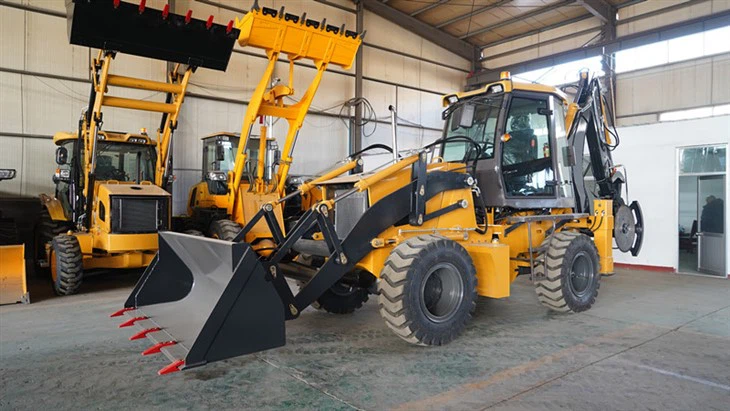
If you're in the market for other types of loaders, we also offer some great options. Check out our Track Loader Compact, which is perfect for tight spaces and rough terrains. Our Front End Loader With Backhoe is a versatile machine that can handle multiple tasks on the job site. And if you're working on a construction project, our Battery Electric Wheel Loader for Construction Project is a powerful and eco - friendly choice.
Conclusion
Checking the battery of an electric large forklift loader is not as complicated as it might seem. By following these simple steps, you can ensure that your battery is in good condition and your forklift is running smoothly.
If you have any questions or if you're interested in purchasing a new electric large forklift loader or any of our other products, don't hesitate to reach out. We're here to help you make the best choice for your business. Whether you need advice on battery maintenance or want to discuss a potential purchase, we're just a message away.
References
- Battery Maintenance Guide for Forklifts, Industry Standard Publication
- Electric Forklift Operation Manuals


