


As a supplier of All Electric Skid Steers, I've witnessed firsthand the remarkable advancements in diagnostic systems for these versatile machines. In this blog post, I'll delve into how the diagnostic system of an all - electric skid steer detects problems, offering insights into the technology and processes that keep these workhorses running smoothly.
Understanding the Basics of All - Electric Skid Steers
All - electric skid steers are revolutionizing the construction and landscaping industries. Unlike their traditional counterparts that rely on internal combustion engines, these machines are powered by electric motors. This shift brings numerous benefits, including reduced emissions, lower noise levels, and lower operating costs. However, it also requires a sophisticated diagnostic system to ensure optimal performance.
Sensors: The Eyes and Ears of the Diagnostic System
At the heart of the diagnostic system are a multitude of sensors strategically placed throughout the all - electric skid steer. These sensors are the first line of defense in detecting problems. They continuously monitor various parameters such as temperature, pressure, voltage, and current.
Temperature Sensors
Temperature sensors are crucial for preventing overheating. In an all - electric skid steer, electric motors and batteries generate heat during operation. If the temperature rises above a safe level, it can lead to reduced efficiency, premature wear, and even permanent damage. Temperature sensors are installed in critical components like the motor windings, battery packs, and power electronics. When the sensor detects an abnormal temperature increase, it sends a signal to the diagnostic system, which can then trigger an alert or take corrective action, such as reducing the power output to prevent further heating.
Pressure Sensors
Pressure sensors play a vital role in monitoring the hydraulic systems of the skid steer. Hydraulic systems are responsible for powering functions like the lift arms and attachments. If there is a leak or a blockage in the hydraulic lines, the pressure can drop or rise unexpectedly. Pressure sensors are installed at key points in the hydraulic circuit to detect these changes. For example, a sudden drop in pressure could indicate a hydraulic fluid leak, while a sharp increase might suggest a clogged valve. The diagnostic system can then analyze the data from the pressure sensors and determine the root cause of the problem.
Voltage and Current Sensors
In an all - electric skid steer, the electrical system is the lifeblood of the machine. Voltage and current sensors are used to monitor the flow of electricity through the battery, motor, and other electrical components. These sensors can detect issues such as a weak battery, a short circuit, or an overloaded motor. For instance, if the current sensor detects an unusually high current draw, it could mean that the motor is working harder than normal, perhaps due to a mechanical problem or a fault in the electrical control system. The diagnostic system can use this information to diagnose the problem and recommend appropriate repairs.
Data Acquisition and Analysis
Once the sensors collect data, it is sent to the diagnostic system's central processing unit (CPU). The CPU is responsible for analyzing the data and determining if there are any problems. It uses sophisticated algorithms and pre - programmed rules to compare the sensor readings with normal operating parameters.
Real - Time Monitoring
The diagnostic system continuously monitors the data in real - time. This allows it to detect problems as soon as they occur, rather than waiting for a more obvious symptom to appear. For example, if a temperature sensor detects a gradual increase in the motor temperature over a period of time, the diagnostic system can identify this trend and alert the operator before the motor reaches a critical temperature.
Fault Codes and Alerts
When the diagnostic system detects a problem, it generates a fault code. Fault codes are unique identifiers that correspond to specific issues. These codes are stored in the system's memory and can be retrieved by a technician using a diagnostic tool. In addition to fault codes, the diagnostic system can also trigger alerts to notify the operator of the problem. Alerts can be visual, such as a warning light on the dashboard, or auditory, such as a beeping sound.
Historical Data Analysis
The diagnostic system also stores historical data about the machine's performance. This data can be used to identify patterns and trends over time. For example, if the same fault code appears repeatedly, it could indicate a recurring problem that needs to be addressed. Historical data analysis can also help in predicting future problems. By analyzing past performance data, the diagnostic system can identify components that are likely to fail soon and recommend preventive maintenance.
Communication and Connectivity
Modern all - electric skid steers are equipped with advanced communication and connectivity features. These features allow the diagnostic system to communicate with external devices and systems, such as a fleet management system or a remote diagnostic center.
Telematics
Telematics is a technology that enables the transmission of data from the skid steer to a remote location. Using a cellular or satellite connection, the diagnostic system can send real - time data about the machine's performance, location, and status to a fleet management system. Fleet managers can use this information to monitor the health of their skid steer fleet, schedule maintenance, and optimize operations. For example, if a skid steer is experiencing a problem, the fleet manager can receive an alert and dispatch a technician to the site immediately.
Remote Diagnostic Tools
In addition to telematics, remote diagnostic tools allow technicians to access the diagnostic system of the skid steer from a remote location. Using a laptop or a mobile device, technicians can connect to the skid steer's diagnostic system via a secure network. They can then retrieve fault codes, view sensor data, and even perform diagnostic tests without having to be physically present at the machine. This saves time and reduces downtime, as technicians can diagnose and sometimes even fix problems remotely.
Integration with Attachments
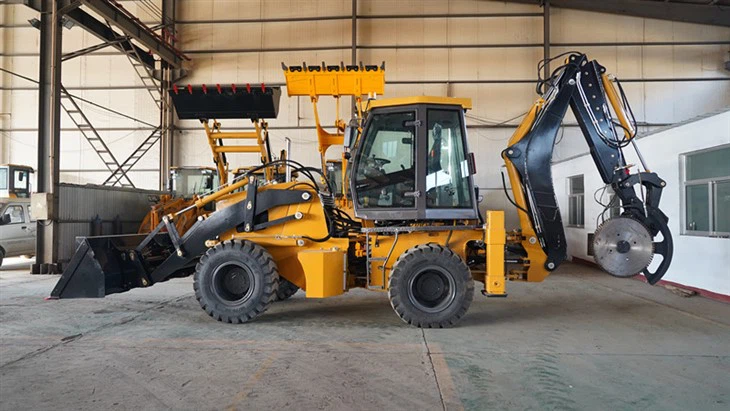
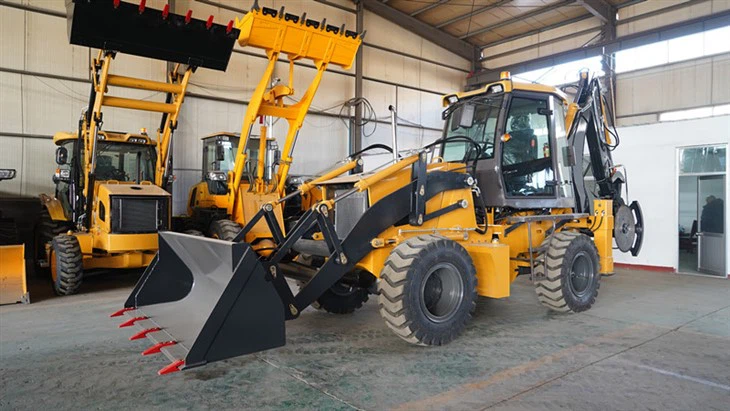
All - electric skid steers are often used with a variety of attachments, such as Front End Loader With Backhoe, Large Forklift Loader, and Small Track Loader. The diagnostic system is designed to integrate with these attachments and monitor their performance as well.
Attachment - Specific Sensors
Many attachments are equipped with their own sensors that communicate with the skid steer's diagnostic system. For example, a hydraulic breaker attachment might have a sensor that monitors the impact force. If the impact force is too high or too low, the diagnostic system can detect this and alert the operator. This integration ensures that the skid steer and its attachments work together seamlessly and that any issues with the attachments can be quickly identified and resolved.
Importance of Regular Maintenance and Calibration
While the diagnostic system is a powerful tool for detecting problems, it is not a substitute for regular maintenance and calibration. Regular maintenance helps to prevent problems from occurring in the first place, while calibration ensures that the sensors and the diagnostic system are accurate and reliable.
Preventive Maintenance
Preventive maintenance involves performing routine tasks such as oil changes, filter replacements, and lubrication. By following a regular maintenance schedule, operators can keep the skid steer in good working condition and reduce the likelihood of breakdowns. The diagnostic system can also provide maintenance reminders based on the machine's usage and performance data.
Sensor Calibration
Over time, sensors can become less accurate due to wear and tear. Calibration is the process of adjusting the sensors to ensure that they are providing accurate readings. Regular calibration is essential for the proper functioning of the diagnostic system. Technicians can use specialized calibration equipment to calibrate the sensors and ensure that the diagnostic system is making accurate diagnoses.
Conclusion
The diagnostic system of an all - electric skid steer is a complex and sophisticated technology that plays a crucial role in ensuring the machine's reliability and performance. By using a network of sensors, advanced data analysis, and communication features, the diagnostic system can detect problems quickly and accurately, allowing for timely repairs and maintenance.
If you're in the market for an all - electric skid steer or have any questions about our diagnostic systems, we'd love to hear from you. Contact us to discuss your specific needs and learn more about how our all - electric skid steers can enhance your operations.
References
- "Electric Vehicle Systems and Components" by Tom Gage
- "Hydraulic Systems: Design, Installation, and Maintenance" by John C. Fitch
- Industry whitepapers on skid steer diagnostic technologies.


