


As a supplier of Electric Wheel Loaders, I've often been asked how our machines' cooling systems prevent overheating. It's a crucial question, especially considering the tough working conditions these loaders often face. So, let's dive right in and explore the ins and outs of our electric wheel loader's cooling system.
First off, you need to understand why overheating is such a big deal. In an electric wheel loader, there are various components that generate heat during operation. The electric motor, for example, works hard to power the loader's movements. Batteries, too, produce heat as they're being charged and discharged. If this heat isn't managed properly, it can lead to a whole host of problems. The performance of the machine can take a nosedive, and in extreme cases, it can even cause permanent damage to the components.
Our cooling system is designed to tackle these heat - generating challenges head - on. One of the key parts of the system is the radiator. It works a lot like the radiator in your car. The radiator is filled with a coolant, usually a mixture of water and antifreeze. As the hot coolant circulates through the radiator, it comes into contact with a series of fins. These fins increase the surface area of the radiator, allowing the heat to dissipate more quickly into the surrounding air. A fan is often placed behind the radiator to blow air through the fins, further enhancing the cooling process.
We also use a separate cooling circuit for the battery pack. The battery is the heart of an electric wheel loader, and keeping it at the right temperature is essential for its performance and lifespan. Our battery cooling system uses a liquid coolant that flows through channels in the battery pack. This coolant absorbs the heat generated by the batteries and transfers it to a heat exchanger. The heat exchanger then releases the heat into the air, just like the radiator for the motor.
Another important aspect of our cooling system is the use of sensors. These sensors are placed throughout the loader, monitoring the temperature of different components. If the temperature of a particular component starts to rise above a safe level, the sensors send a signal to the control unit. The control unit can then take several actions. It might increase the speed of the cooling fans, adjust the flow rate of the coolant, or even reduce the power output of the component to prevent further overheating.
Let's talk about the maintenance of the cooling system. Regular maintenance is key to ensuring that the cooling system works effectively. We recommend that operators check the coolant level regularly. If the coolant level is low, it could indicate a leak in the system, which needs to be fixed immediately. The radiator and the fins should also be inspected for dirt and debris. If the fins are clogged, it can significantly reduce the cooling efficiency. Cleaning the radiator and fins with compressed air or a soft brush can help keep the system running smoothly.
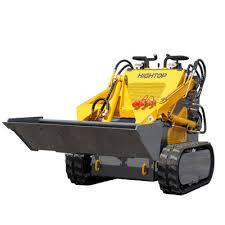
Now, I want to mention some of the other types of loaders we offer. If you're looking for something more compact, you might be interested in our Track Loader Compact. It's great for working in tight spaces. For those who need a loader with more reach, our Telescopic Arm Front End Bucket Loader is a fantastic option. And if you're in need of a smaller, more agile loader, check out our Mini Crawler Hydraulic Loader.

In addition to the radiator and battery cooling, we've also incorporated some advanced features into our cooling system. For instance, we use variable - speed pumps for the coolant circulation. These pumps can adjust their speed based on the actual cooling needs of the machine. When the loader is operating under light loads, the pumps can run at a lower speed, saving energy. But when the machine is working hard and generating more heat, the pumps can increase their speed to ensure adequate cooling.
The design of the cooling system also takes into account the different operating environments. Our electric wheel loaders are used in a variety of settings, from construction sites in hot desert climates to mines in cold regions. The cooling system is engineered to perform well in all these conditions. In hot environments, the cooling system is optimized to handle the high ambient temperatures. It might have larger radiators and more powerful fans to ensure sufficient heat dissipation. In cold environments, on the other hand, the system has features to prevent the coolant from freezing. For example, the antifreeze mixture in the coolant is carefully formulated to have a low freezing point.
We also offer training to our customers on how to operate and maintain the cooling system properly. Our technicians can provide on - site training or online tutorials to ensure that operators understand how to keep the cooling system in top condition. This not only helps prevent overheating but also extends the overall lifespan of the loader.
If you're in the market for an electric wheel loader or any of our other loader models, I encourage you to get in touch with us. Our team of experts can answer all your questions and help you choose the right loader for your specific needs. Whether you're a small construction company or a large mining operation, we have a solution for you.
In conclusion, our electric wheel loader's cooling system is a well - engineered and sophisticated piece of technology. It uses a combination of radiators, liquid cooling circuits, sensors, and advanced control algorithms to prevent overheating and ensure the reliable operation of the machine. With proper maintenance and our support, you can count on our loaders to perform well in even the most challenging conditions.
If you're interested in learning more or making a purchase, don't hesitate to reach out. We're here to help you find the perfect loader for your business.
References
"Electric Vehicle Cooling Systems" - Industry report on electric vehicle thermal management
"Loader Maintenance Guide" - Our in - house guide for maintaining the cooling and other systems in our loaders


