


Skid steer track loaders are versatile pieces of equipment widely used in the construction, landscaping, and agricultural industries. One common question that often arises is whether a skid steer track loader can be effectively used on uneven terrain. As a supplier of skid steer track loaders, I'm here to explore this topic in depth and provide you with the insights you need to make an informed decision.
Understanding Skid Steer Track Loaders
Before delving into their performance on uneven terrain, it's essential to understand what skid steer track loaders are and how they work. Skid steer track loaders are compact, maneuverable machines equipped with tracks instead of wheels. These tracks distribute the machine's weight evenly, providing better traction and flotation compared to wheeled loaders. The skid steer design allows for zero-radius turning, making them highly agile in tight spaces.
Advantages of Skid Steer Track Loaders on Uneven Terrain
Skid steer track loaders offer several advantages when operating on uneven terrain:
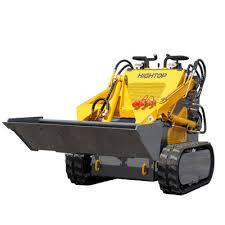

- Enhanced Traction: The tracks of a skid steer loader provide a larger contact area with the ground, increasing traction and reducing the risk of slippage. This is particularly beneficial on soft, muddy, or sloped surfaces where wheeled loaders may struggle to maintain grip.
- Improved Flotation: The wide tracks of a skid steer loader distribute the machine's weight over a larger area, reducing ground pressure and minimizing the risk of sinking. This allows the loader to operate on delicate or unstable surfaces without causing significant damage.
- Better Maneuverability: The skid steer design enables the loader to turn in place, making it highly maneuverable in tight spaces. This is especially useful on uneven terrain where obstacles and limited space can make navigation challenging.
- Stability: The low center of gravity and wide stance of a skid steer track loader provide excellent stability, even on uneven or sloped surfaces. This reduces the risk of tipping over and ensures safe operation in challenging conditions.
Factors Affecting Performance on Uneven Terrain
While skid steer track loaders are well-suited for uneven terrain, several factors can affect their performance:
- Track Design: The design of the tracks plays a crucial role in the loader's performance on uneven terrain. Tracks with aggressive tread patterns provide better traction on soft or muddy surfaces, while tracks with smooth treads are more suitable for hard or paved surfaces.
- Machine Weight: The weight of the skid steer loader can also impact its performance on uneven terrain. Heavier machines may provide more stability but can also cause more damage to the ground. Lighter machines, on the other hand, may be more maneuverable but may struggle to maintain traction on steep or slippery slopes.
- Operator Skill: The skill and experience of the operator are essential for safe and efficient operation on uneven terrain. Operators should be trained to adjust their driving techniques to suit the conditions and to avoid sudden movements that could cause the loader to lose balance.
- Terrain Conditions: The type and severity of the uneven terrain will also affect the loader's performance. Steep slopes, rocky surfaces, and deep mud can all pose challenges for skid steer track loaders. It's important to assess the terrain conditions before operating the loader and to choose the appropriate tracks and attachments for the job.
Tips for Operating Skid Steer Track Loaders on Uneven Terrain
To ensure safe and efficient operation on uneven terrain, here are some tips to keep in mind:
- Inspect the Terrain: Before operating the loader, carefully inspect the terrain for any potential hazards, such as rocks, tree stumps, or uneven surfaces. Remove any obstacles that could cause damage to the loader or pose a safety risk.
- Choose the Right Tracks: Select the appropriate tracks for the terrain conditions. Aggressive tread patterns are recommended for soft or muddy surfaces, while smooth treads are more suitable for hard or paved surfaces.
- Adjust Your Driving Techniques: When operating on uneven terrain, it's important to adjust your driving techniques to suit the conditions. Slow down, avoid sudden movements, and use gentle steering inputs to maintain control of the loader.
- Use the Right Attachments: The type of attachment you use can also affect the loader's performance on uneven terrain. For example, a bucket attachment may be more suitable for grading or leveling, while a fork attachment may be better for lifting and transporting materials.
- Maintain Proper Balance: To ensure stability, it's important to maintain proper balance when operating the loader on uneven terrain. Keep the load centered over the tracks and avoid overloading the loader.
- Be Aware of Your Surroundings: Always be aware of your surroundings when operating the loader on uneven terrain. Watch out for other workers, vehicles, and obstacles, and use caution when backing up or turning.
Applications of Skid Steer Track Loaders on Uneven Terrain
Skid steer track loaders are commonly used in a variety of applications on uneven terrain, including:
- Construction: Skid steer track loaders are ideal for construction sites with uneven terrain, such as building foundations, excavation sites, and road construction projects. They can be used for tasks such as grading, leveling, digging, and material handling.
- Landscaping: Landscapers often use skid steer track loaders to perform tasks such as grading, trenching, and tree removal on uneven terrain. The loader's maneuverability and traction make it well-suited for working in tight spaces and on soft or muddy ground.
- Agriculture: Skid steer track loaders are also used in the agricultural industry for tasks such as loading and unloading hay bales, moving livestock feed, and clearing fields. The loader's ability to operate on uneven terrain makes it a valuable tool for farmers and ranchers.
- Snow Removal: In areas with heavy snowfall, skid steer track loaders can be equipped with snow blowers, plows, or buckets to clear snow from driveways, sidewalks, and parking lots. The loader's traction and maneuverability make it effective in removing snow from uneven surfaces.
Conclusion
In conclusion, skid steer track loaders are well-suited for use on uneven terrain. Their enhanced traction, improved flotation, better maneuverability, and stability make them a versatile and reliable choice for a variety of applications. However, it's important to consider the factors that can affect their performance and to follow the tips for safe and efficient operation. If you're in the market for a skid steer track loader, I encourage you to explore our range of All Electric Skid Steer, Mini Crawler Hydraulic Loader, and Large Forklift Loader models. Our experienced team can help you choose the right machine for your specific needs and provide you with the support and service you deserve. Contact us today to learn more about our products and to discuss your requirements.
References
- Construction Equipment Guide: "Skid Steer Loaders: A Guide to Choosing the Right Machine"
- Equipment World: "Track vs. Wheel Skid Steer Loaders: Which is Right for You?"
- Caterpillar: "Skid Steer Loaders: Operating Tips and Best Practices"


